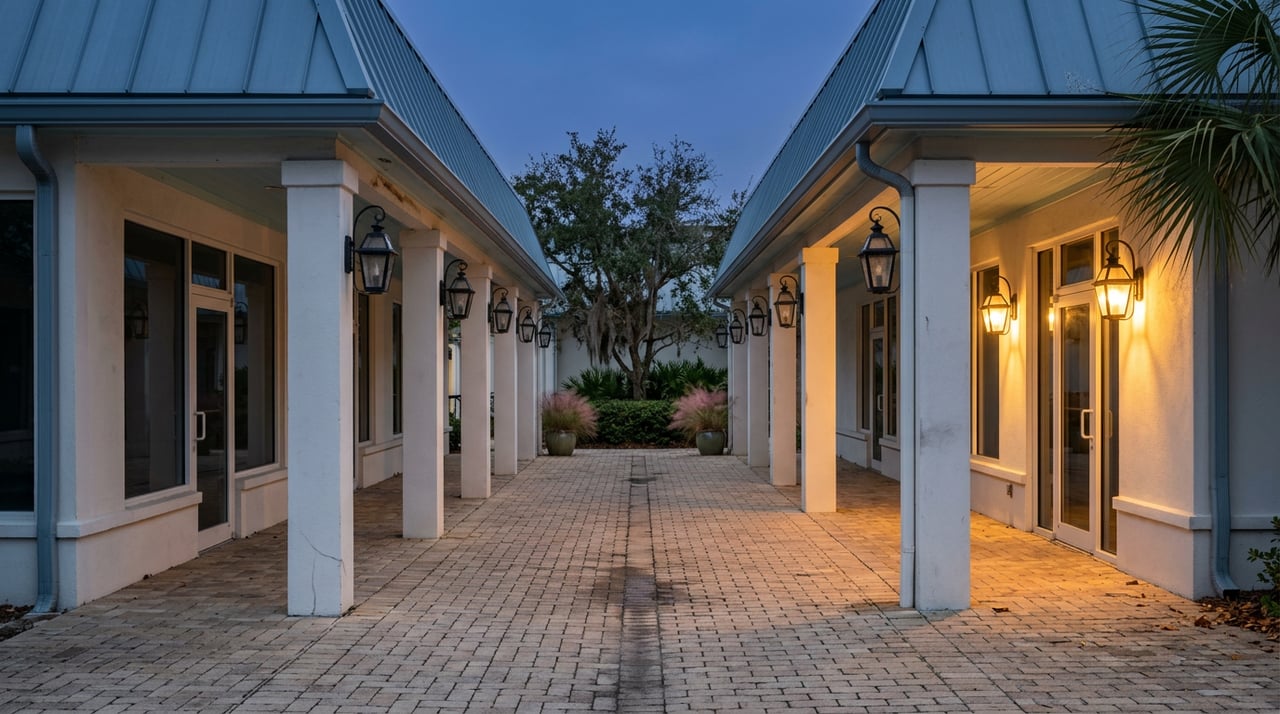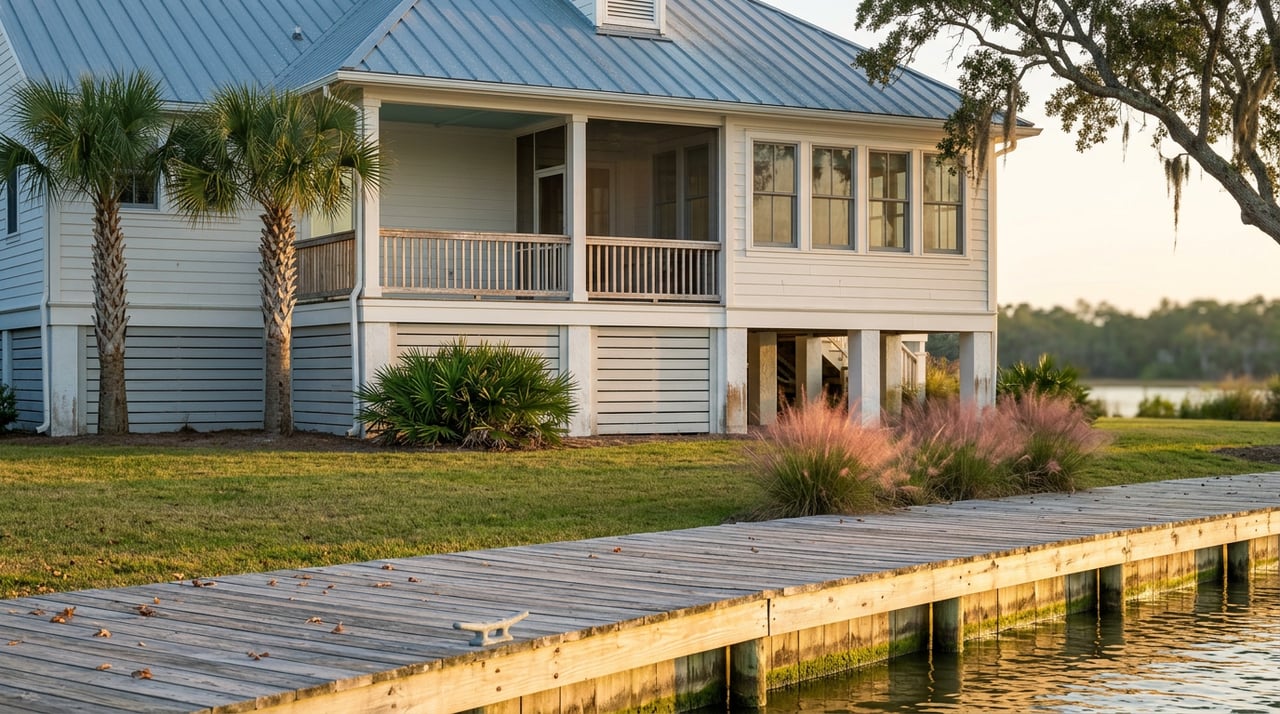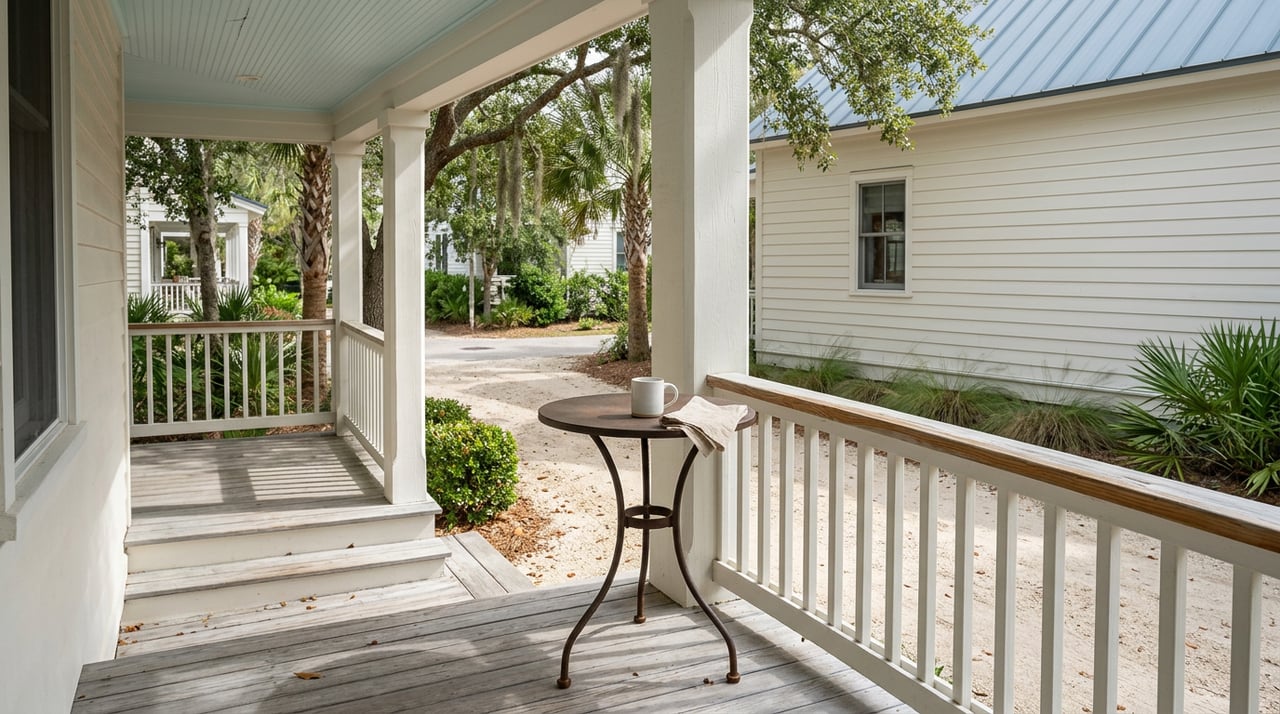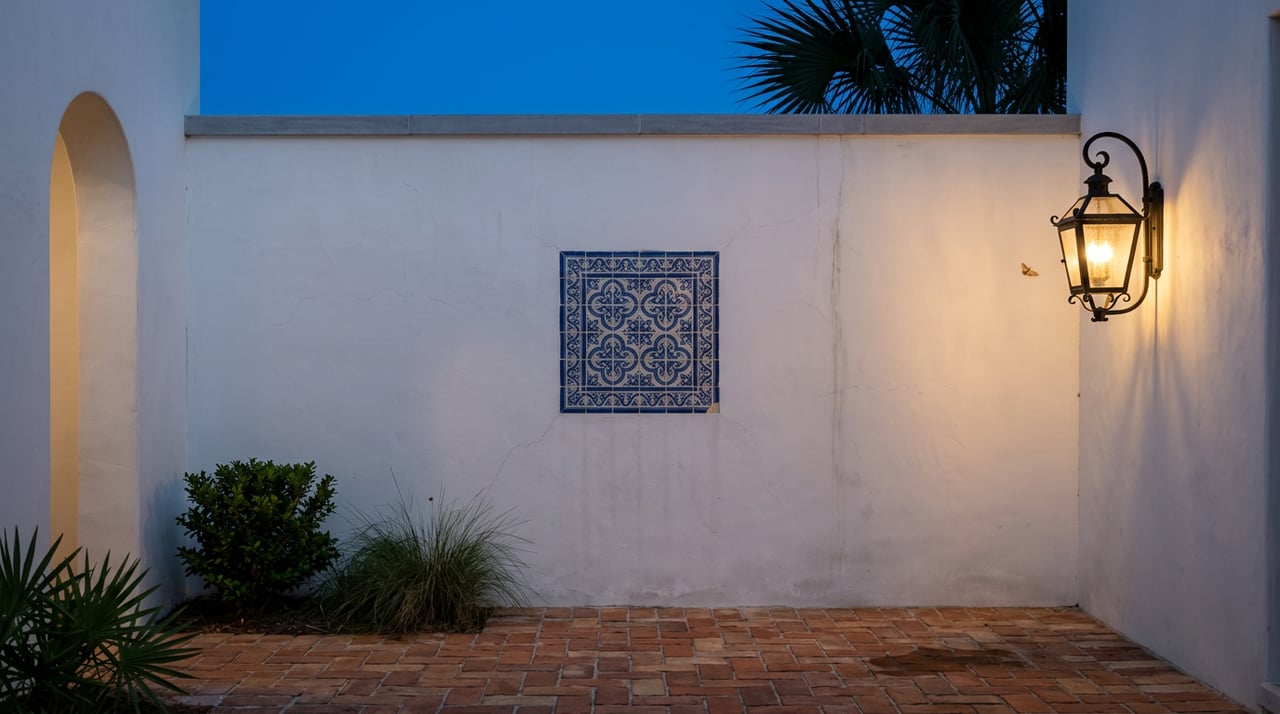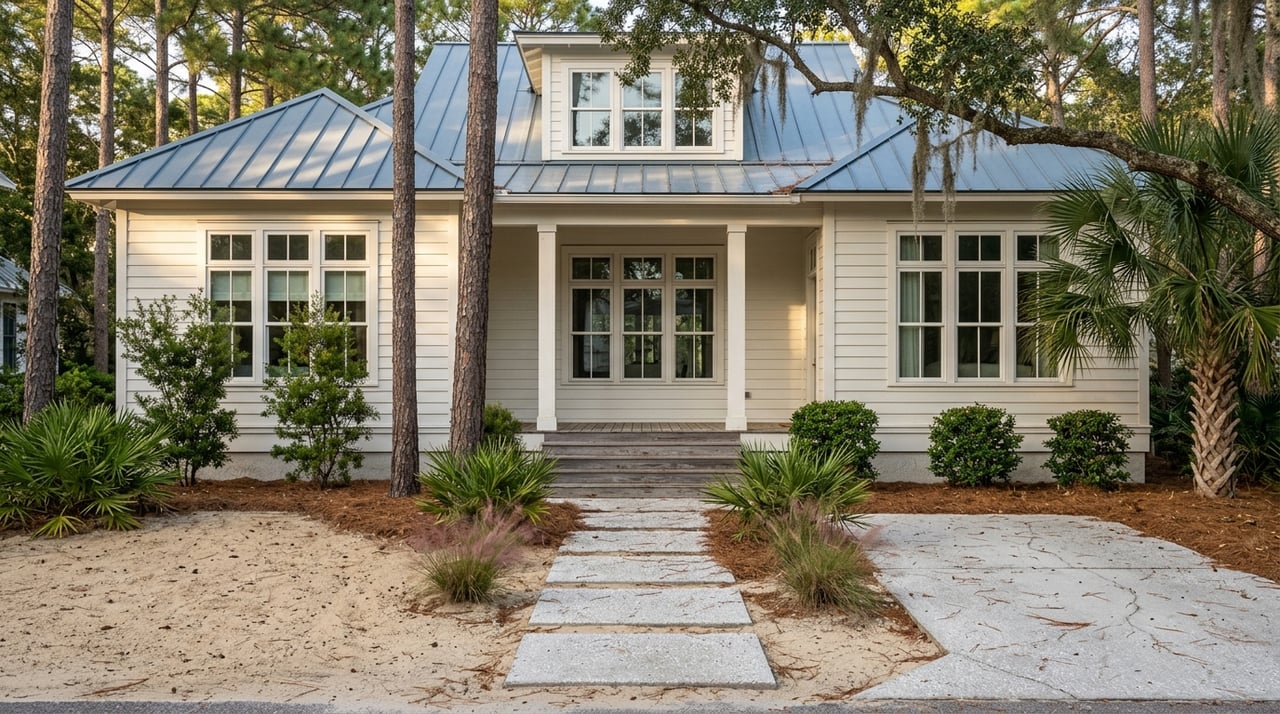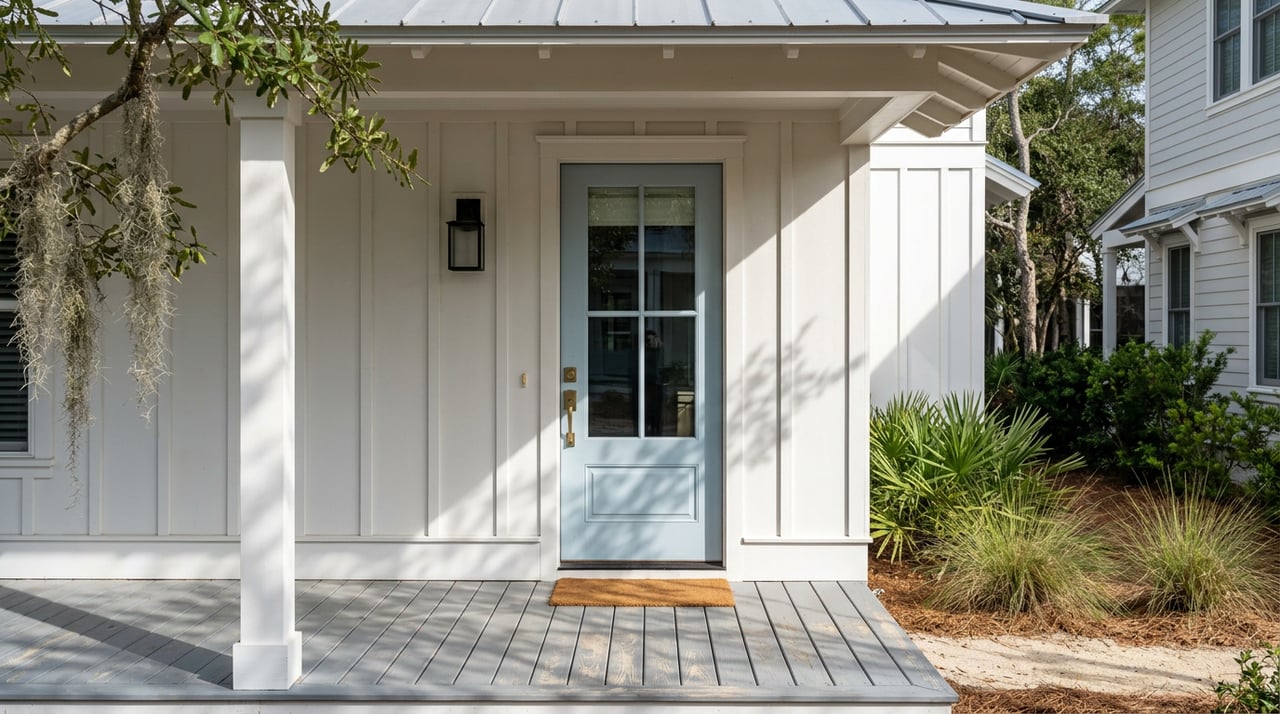
Picture yourself walking from your front porch to the sugar-white sand in minutes, coffee in hand and the Gulf just ahead. That is the daily rhythm that draws buyers to Seaside’s classic cottages. But before you move from dream to decision, you need a clear plan for design rules, rental regulations, and coastal risk. This guide gives you the essentials, plus a practical checklist to take into your search. Let’s dive in.
Why Seaside cottages are different
Seaside is a compact, master-planned town with roughly 300-plus homes on an original footprint of about 80 acres. That small scale and walkable layout are part of the value, and they also limit resale options at any given time. The result is a lifestyle premium for being close to Central Square, shops, and beach access, all within short walks. You can learn more about the community’s scale and design on the town’s official overview page at Seaside’s About page.
What limited supply means for you
A small market can move fast. Listings are limited, and desirable cottages near the beach or square can draw attention quickly. You may face short decision windows and multiple-offer scenarios, especially in peak seasons.
Smart buyer prep can help you act with confidence:
- Get financials and timelines organized so you can move quickly when the right cottage appears.
- Decide your due diligence priorities in advance, including inspection scope and closing flexibility that fits your risk tolerance.
- If you intend to rent, assemble your rental and tax questions now so offers reflect realistic numbers.
Design rules you must follow
The Seaside Code essentials
Seaside publishes detailed Architectural Regulations that guide materials, porches, windows, shutters, finishes, sitework, and lighting. These rules shape what you can build or change and help preserve the town’s character. For example, traditional siding and porch details are emphasized, and some synthetic materials are limited in visible locations. Review the official standards in the Seaside Architectural Regulations to understand how exterior choices affect cost and timing.
How SARC reviews work
The Seaside Architectural Review Committee (SARC) meets regularly to approve exterior changes, from paint color and window replacements to porch alterations. Even modest exterior updates typically require review and approval. That means you should budget design time and anticipate potential resubmissions.
To see how active and specific the process is, check current SARC meeting notices and recent SARC minutes. When you write an offer that assumes post-close changes, consider adding time for submittals and review before you commit to start dates.
If you plan to rent short term
County certificate basics
Walton County runs a Short-Term Vacation Rental Certificate program. If you plan to rent more than three times per year for stays under 30 days, you typically need an annual certificate for each dwelling, a designated responsible party who can be on-site within one hour, and compliance with posting, lease, and safety standards. Occupancy and parking are controlled. Occupancy is certified at one person per 150 square feet of gross floor area, and county standards reference a parking ratio of one space per 900 square feet. Read the requirements in the county’s Short-Term Vacation Rental Ordinance.
Tourist Development Tax responsibilities
Short-term rentals in South Walton must collect and remit Tourist Development Tax in addition to state sales tax. The higher TDT district for Seaside funds beach and tourism services, and the Clerk’s office administers registration and filings. Review procedures on the Walton County TDT page and model this tax into your rental income projections.
Compliance and due diligence
Enforcement includes affidavits, potential inspections, and penalties for violations. If rental income affects your purchase decision, ask for proof of the current Walton County certificate and the Florida DBPR transient lodging license before closing. Build those documents into your contingency planning so you are not assuming use rights you do not have.
Coastal risk, code, and insurance
Flood zones and coverage
Start by checking FEMA’s Flood Map Service Center to confirm the flood zone and panel effective date for any address you are considering. Ask for any existing Elevation Certificate, since lenders often require it in higher-risk zones. Then obtain quotes for both NFIP and private flood policies so you can compare coverage and premiums. Use FEMA’s map portal at the FEMA Flood Map Service Center and explore NFIP basics at FloodSmart while you evaluate options.
Wind and building code considerations
Coastal Walton County is within Florida’s Wind-Borne Debris Regions, which means impact protection and wind resistance standards matter for windows, doors, and retrofits. These designations affect your product choices and insurance underwriting, so confirm them with your contractor and the local building department early. For background on state wind zone concepts and requirements, review this summary of Florida’s wind regions and code implications in the Florida building commission report overview.
Insurance market realities
Insurance pricing and availability can change quickly in Florida. Work with a broker who understands coastal wind, flood, and specialty coverage. Compare private-market options and Citizens where applicable, and note wind-only deductibles and exclusions in your budget. For statewide regulatory context and market guidance, see the Florida Office of Insurance Regulation.
Buyer checklist for Seaside cottages
Use this list with your agent before you submit an offer. A focused review now can prevent delays later.
Confirm the property and community basics
- Verify the home is within Seaside proper and understand any community-level restrictions. Get clarity on proximity to Central Square, beach access points, and daily walkability. See the town overview on Seaside’s About page.
Short-term rental status and transferability
- If you plan to rent, confirm there is an active Walton County Short-Term Vacation Rental Certificate for the specific parcel and that the DBPR license is current. Ask about any Seaside or HOA restrictions that add limits. Review rules in the county’s Short-Term Vacation Rental Ordinance.
- Confirm Tourist Development Tax registration and make sure prior TDT filings are current if the property has been rented. Learn more on the Walton County TDT page.
Design review and permitted work
- Request copies of any SARC approvals, permits, and recent surveys. If you plan changes, ask for realistic SARC review timelines and any prior conditions that may carry forward. See SARC notices and SARC minutes for examples of typical approvals.
Flood, elevation, and insurance
- Run the address in the FEMA Flood Map Service Center and obtain any Elevation Certificate. Get NFIP and private flood quotes, plus a wind or hurricane policy quote, to attach to your budget or rental pro forma. Review NFIP basics at FloodSmart.
Financial and tax checks
- Review recent property tax bills and assessed value, confirm any special district fees, and request at least two years of utility statements and HOA fee history. If the property has been rented, include TDT responsibilities in your evaluation using the Walton County TDT page.
Parking, access, and on-site limits
- Verify on-site parking that counts for Walton County certification and confirm any local rules on golf carts or use limits. Note actual walking routes to beach paths and Central Square since walkability is a key value driver. Reference community context on Seaside’s About page.
Rental performance and management
- For income buyers, require verified income and occupancy statements, not just listings. Ask about management fees, turnover costs, and seasonal patterns. Confirm there have been no county enforcement actions under the Short-Term Vacation Rental Ordinance.
Contract and closing protections
- Consider contingencies tied to SARC approval for promised changes, current STR certificate and DBPR license if rentals matter, a flood-insurance premium range if in a high-risk zone, and clear allocation of any TDT or sales tax liabilities between buyer and seller. Use the county’s Short-Term Vacation Rental Ordinance as your compliance reference.
How Anderson Group 30A helps you buy with confidence
Buying in Seaside is part lifestyle and part logistics. You get the charm of front porches and short walks to the square, paired with design reviews, coastal code, and rental rules. That mix is where local, hands-on guidance matters.
With boutique, high-touch service and a background in building and development, our team helps you:
- Align your search with the realities of Seaside’s small inventory and craft a winning offer strategy.
- Read the Seaside Code, anticipate SARC timelines, and budget the right materials and steps for your goals.
- Model rental scenarios with real assumptions for occupancy, parking, certificates, and Tourist Development Tax.
- Coordinate flood and wind insurance quotes alongside your lender requirements so your numbers hold through closing.
Ready to take the next step? Reach out to Anderson Group 30A for a focused conversation about your Seaside shortlist, design plans, and rental goals. Get your custom 30A market report.
FAQs
What makes buying a Seaside cottage unique compared to other 30A towns?
- Seaside has a small footprint with roughly 300-plus homes and strong walkability, which limits inventory and increases the value of proximity to Central Square and the beach, as outlined on Seaside’s About page.
Do Seaside cottages allow short-term rentals, and what does the county require?
- Short-term rentals are regulated by Walton County’s certificate program that sets rules on occupancy, parking, safety postings, and a 24/7 responsible party; see the county Short-Term Vacation Rental Ordinance.
How strict is Seaside’s architectural review for exterior changes?
- The Seaside Code requires SARC review for most exterior work, including paint, windows, railings, porches, and lighting; check the Architectural Regulations and current SARC notices.
What flood and wind insurance considerations should a Seaside buyer plan for?
- Verify the FEMA flood zone and Elevation Certificate, compare NFIP and private flood policies, and confirm wind-borne debris requirements that affect product choices and underwriting using the FEMA Map Service Center and FloodSmart.
How is rental occupancy and parking counted in Walton County?
- Occupancy is generally set at one person per 150 square feet of gross floor area, and county standards reference one parking space per 900 square feet; details are in the Short-Term Vacation Rental Ordinance.
What timeline should I expect if I plan to renovate after closing in Seaside?
- Plan for SARC submission, potential resubmittals, and contractor lead times before work starts; review SARC minutes to understand typical approval items and pace.