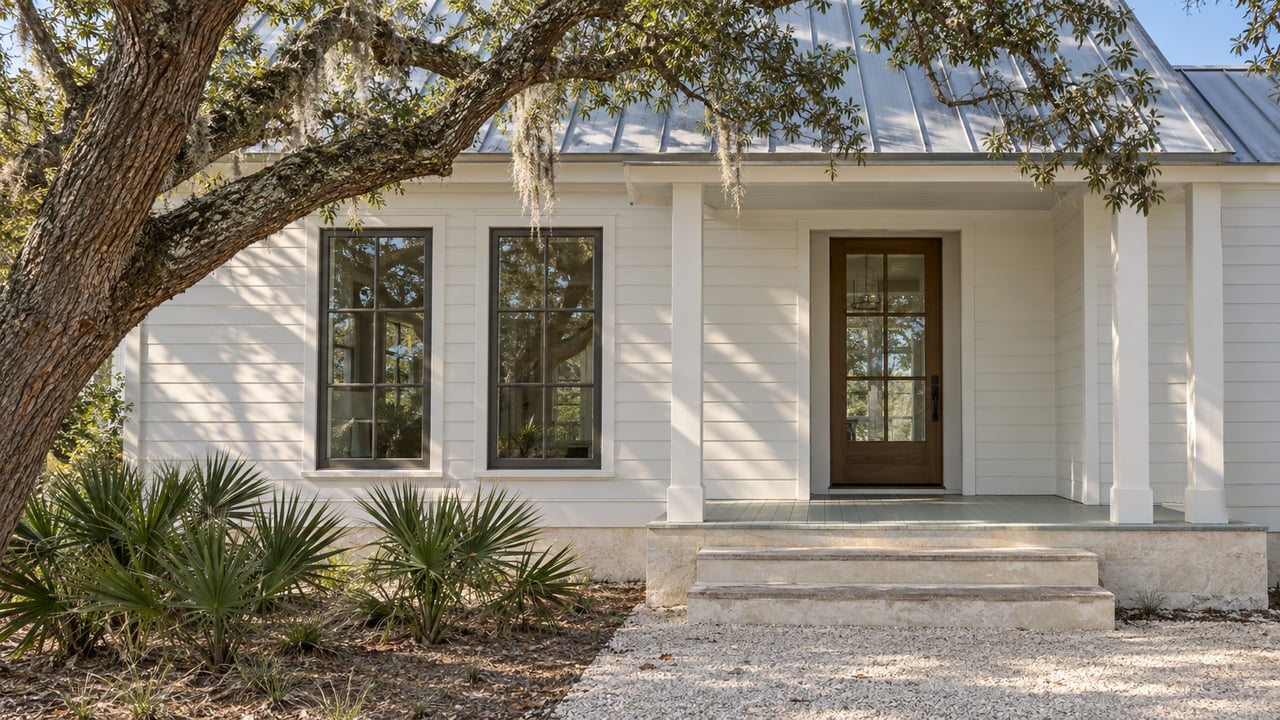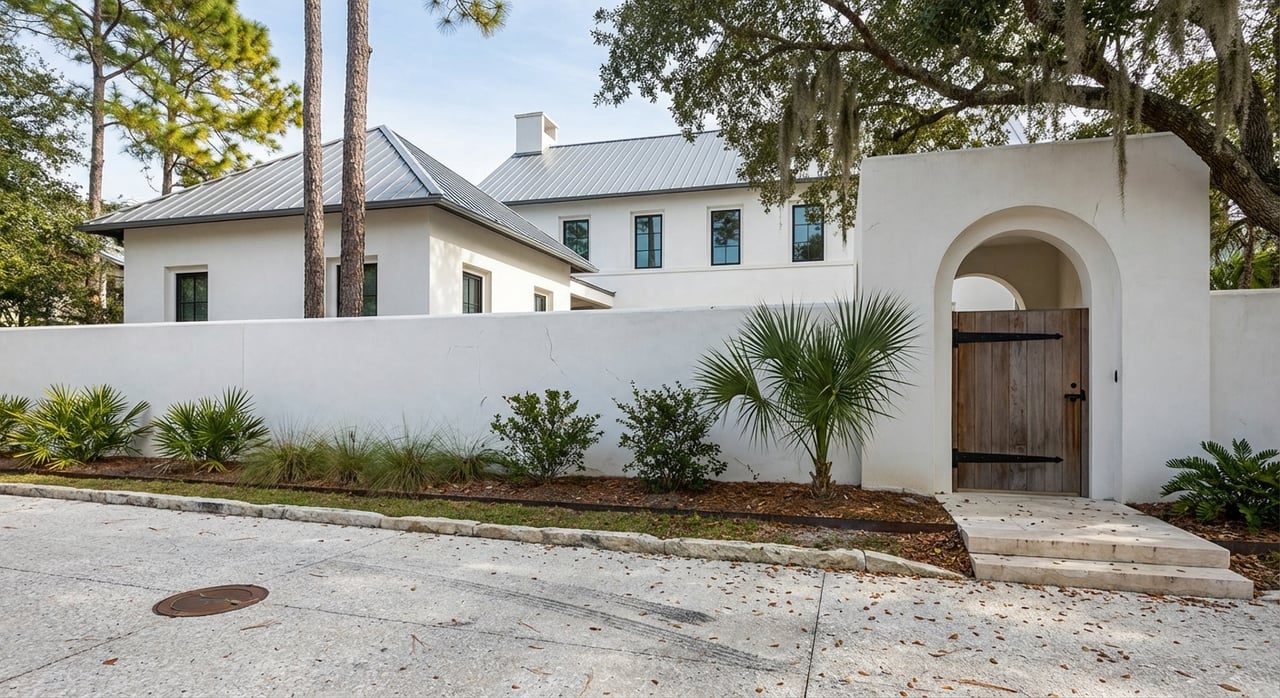
Designing a custom home in Alys Beach feels exciting and a little different from building anywhere else on 30A. You want beauty, privacy, and long-term value, and you also want to understand the rules that shape what you can build. In this guide, you’ll see how Alys Beach’s design codes, review process, and FORTIFIED standards influence floorplans, outdoor living, timelines, and budgets. Let’s dive in.
What makes Alys Beach different
Alys Beach is a master-planned, New Urban town of about 158 acres with a form-based code that guides block patterns, streets, and the public realm. That framework creates the quiet, cohesive look you see when you walk the lanes and courtyards. You can learn more about the plan and resilience focus in the Urban Land Institute’s case overview of Alys Beach. ULI’s case summary explains the planned scale and code approach.
Design governance is hands-on. The Town Architects and a review committee administer the process, and the community maintains Approved Architect and Approved Builder programs that help streamline approvals. The architecture page outlines the design language and oversight approach, including the role of the Town Architects. See Alys Beach’s architecture overview.
Resilience is a core requirement. Alys Beach mandates that every home meet IBHS FORTIFIED standards, with third-party evaluators and checkpoint inspections built into construction. This affects structure, detailing, and documentation. The community highlights this requirement within its real estate materials. Review Alys Beach’s real estate and building standards context.
How the code shapes your floorplan
Building types and lot strategy
Alys Beach uses distinct building types such as Villa, House, Compound, Courtyard House, Row House, and Live-Work. These types set massing and lot relationships, which, in practice, means your home’s volume and placement follow clear rules. Courtyard and row house patterns often share or align side walls to create privacy while holding a strong street edge. You can explore the town’s design language in the Alys Journal. Read about building types and design culture.
Courtyards and outdoor rooms
Instead of a large backyard, the code favors inward-facing courtyards, covered loggias, and rooftop terraces as your primary outdoor living. This shifts where you place kitchens, great rooms, and suites, since the courtyard often becomes the center of daily life. The result is privacy, better airflow, and a natural flow for guests. Architectural features of Alys often highlight this courtyard-first lifestyle. See how Alys showcases its design approach.
Materials and street presence
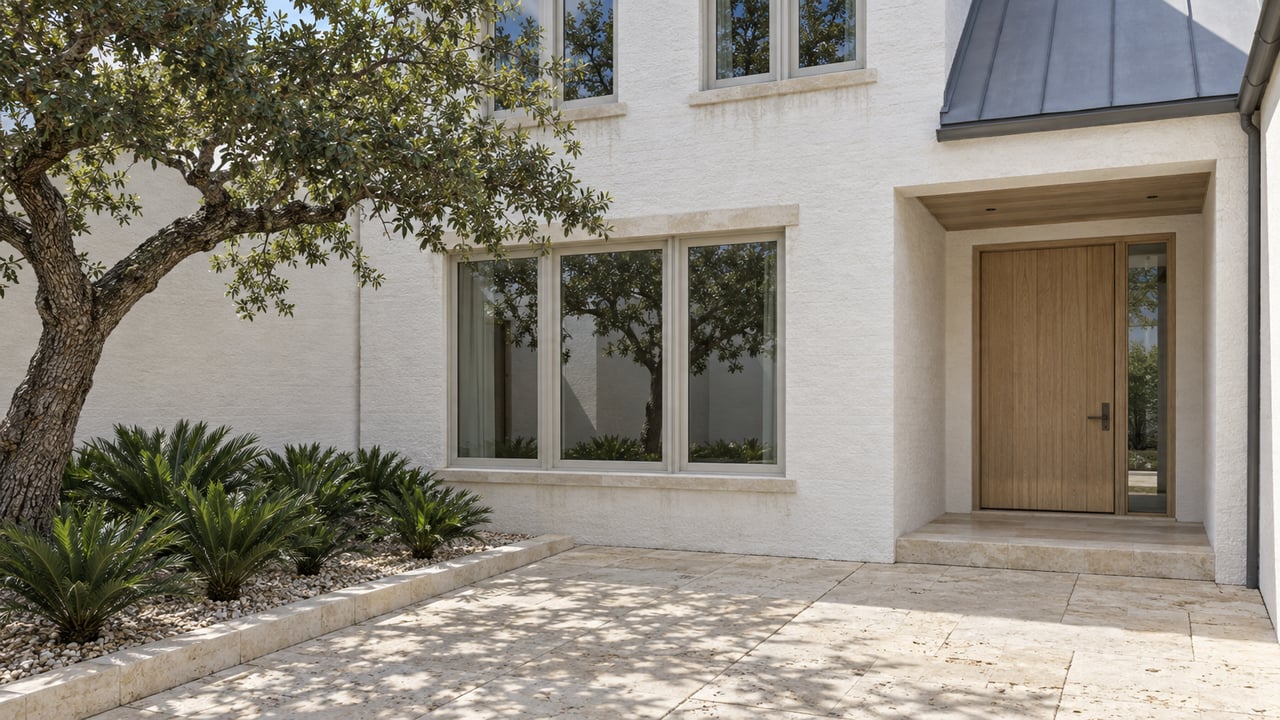
A restrained exterior palette is part of the brand. White stucco or masonry, concrete roof tiles, and clean window profiles create a calm streetscape. Visible changes to materials, colors, or roof forms typically require review, so most of your creative freedom lives inside. The architecture page explains how this discipline keeps the town cohesive. Explore Alys Beach’s architectural discipline.
Structure and resilience details
Meeting FORTIFIED standards and coastal codes drives assembly choices. Expect reinforced CMU or cast-in-place exterior walls, impact-rated openings, and engineered roof systems with continuous load paths. Many lots also need deep foundations or piling. A technical case study outlines how these methods support hurricane resilience. Review the Alys Beach construction case study.
Vertical living and circulation
Many Alys homes organize living across multiple floors to protect private open space and capture views. It is common to raise primary living areas and add roof terraces, which affects stairs, elevators, and HVAC routing. Vertical stacking conserves lot area while delivering outdoor rooms where they matter most. This pattern is a hallmark of the town’s form and lifestyle.
Review and permitting timeline in Alys
A typical path includes an early concept meeting, a formal completeness check, committee reviews with the Town Architects, revision cycles, and final community approval before county permitting. Walton County then handles life-safety, building code, floodplain, and coastal items in parallel with Alys oversight. You will coordinate both sets of approvals through design.
Plan for a timeline measured in months. Local advisors commonly see 2 to 6 weeks from a complete application to first review, then 2 to 8 weeks for revisions and final sign-off, with large or complex homes often needing multiple cycles. County timing runs alongside and can extend if your lot triggers FEMA Special Flood Hazard Area or Coastal Construction Control Line reviews. For floodplain and FEMA context, see Walton County’s resource hub. Visit Walton County’s Floodplain Management page.
Expect a detailed submittal. Your team will prepare site plans with finished floor elevations, scaled elevations for all facades, roof and landscape plans, lighting cut sheets, drainage and civil drawings, and structural and geotechnical reports. Alys will also coordinate FORTIFIED checkpoint schedules and require certified signoffs. During construction, community compliance staff and FORTIFIED evaluators will perform checkpoint inspections in addition to county inspections.
Budget, cost, and insurance realities
Masonry exteriors, concrete roof tiles, impact-rated fenestration, deep foundations, and formal structural engineering add material and labor compared with typical wood-frame coastal homes. These systems also influence lead times for windows, doors, and custom details. A technical case study summarizes the assemblies you should expect. See the resilient assemblies used at Alys.
The FORTIFIED mandate adds cost, but Alys leadership has characterized the local incremental impact as modest because masonry is already standard. Reporting cites around 5 percent added cost compared with the community’s baseline. Read industry coverage of Alys Beach’s FORTIFIED requirement.
On insurance economics, FORTIFIED designation often earns incentives or discounts, though amounts vary by insurer and state. The core idea is straightforward: higher upfront resilience can lower long-term risk and may improve insurability and resale story. For program details and incentive context, visit the IBHS FORTIFIED site. Learn about FORTIFIED standards and incentives.
For custom coastal builds, many owners set a 10 to 20 percent contingency to cover review-driven revisions, FORTIFIED addenda, and site surprises. Also plan for higher design and engineering fees with Alys-experienced teams, plus community review and monitoring fees. Using Approved Architects and Builders can help reduce revisions and avoid re-submittals. Alys’s real estate portal explains the community’s programs.
Rental potential and guest experience
Alys Beach manages an owner-facing rental program in-house, and participation is optional. Reports indicate that at any time, fewer than 20 percent of homes are available as vacation rentals, which preserves owner experience and supports a boutique rental profile. That scarcity can be a marketing advantage for qualifying homes. Read how Alys frames its lifestyle and rental approach.
Design choices matter for guest appeal. Courtyard-centered plans, multiple floors, and curated terraces often outperform turf yards for short stays. Pools, rooftop kitchens, and any visible mechanicals require review, so bring these ideas to the Town Architects early. The result is a guest experience shaped as much by the code as by decor.
Practical steps to start strong
- Select an architect and builder with Alys experience. Confirm whether they are on the community’s Approved lists. This can shorten review cycles and improve submittal quality. Start with Alys’s real estate and community programs.
- Order site-specific surveys and geotechnical work early. Foundation type and finished floor elevation drive structure, drainage, and cost.
- Schedule an early concept meeting with the Town Architects. Align on massing, street-facing elements, and courtyard strategy before finalizing big program moves.
- Engage a FORTIFIED-trained evaluator during schematic design. Build checkpoint inspections into drawings and the schedule. Get familiar with the FORTIFIED process.
- Coordinate Alys and Walton County permit sets in parallel. Confirm floodplain or coastal triggers on your parcel and avoid late changes that force re-submittals. Use Walton County’s floodplain resource.
- Add a 10 to 20 percent contingency and plan for long-lead items. Impact openings, tile, and custom millwork often need schedule buffers.
How the code protects value
Alys Beach’s form-based code and resilience standards create a consistent streetscape and a durable building stock. That coherence is part of the value story owners buy into. The ULI case material frames how design control and resilience investments can support long-range performance. See ULI’s perspective on resilience and value.
What to request in due diligence
Because Alys maintains many documents inside its sales and professional channels, request project-specific materials early. Ask for the recorded CC&Rs, the current Design Guidelines, ARB submittal checklists, any prior approvals tied to the lot, and current fee and escrow schedules. Coordinate with the Alys Beach Sales and Construction teams and the Town Architects for the latest procedures. For floodplain and permitting context, consult Walton County resources. For resilience standards and evaluators, review FORTIFIED program guides. Visit Alys Beach’s real estate hub and FORTIFIED program resources.
Ready to plan your Alys Beach build with clarity and confidence? Our team pairs deep local knowledge with new-construction advisory to help you choose the right lot, align your design team, and navigate approvals with fewer surprises. Reach out to Anderson Group 30A to start your plan.
FAQs
What is FORTIFIED in Alys Beach and why does it matter?
- Alys Beach requires every home to meet IBHS FORTIFIED standards, which add structural and detailing measures for wind and water protection and may improve insurability; learn more at the FORTIFIED program site.
How long does Alys Beach design review usually take?
- After a complete application, initial review often takes 2 to 6 weeks, with revisions and final sign-off adding another 2 to 8 weeks or more for complex homes; plan several months for design-to-permit, with additional time if your lot triggers flood or coastal reviews.
How do courtyards impact my floorplan and privacy?
- The code leans on inward-facing courtyards, covered loggias, and terraces, which organize circulation, increase privacy, and improve airflow while replacing large exposed yards; see how Alys highlights this lifestyle in its design features.
What are the biggest cost drivers for building in Alys Beach?
- Reinforced masonry walls, impact-rated openings, deep foundations, and FORTIFIED detailing add cost and lead times; local reporting notes the FORTIFIED layer adds about 5 percent over Alys’s masonry baseline, per industry coverage and a technical case study.
Can I rent my Alys Beach home to vacation guests?
- Yes, Alys runs an optional in-house rental program and typically fewer than 20 percent of homes are offered as rentals at a time, supporting a boutique guest experience; see Alys’s lifestyle and rental context.
Who provides the official design rules and checklists?
- Request current Design Guidelines, ARB checklists, and prior approvals from the Alys Beach Sales and Town Architect teams, and use Walton County’s pages for floodplain and permit context; start at Alys Beach’s real estate portal and Walton County Floodplain Management.