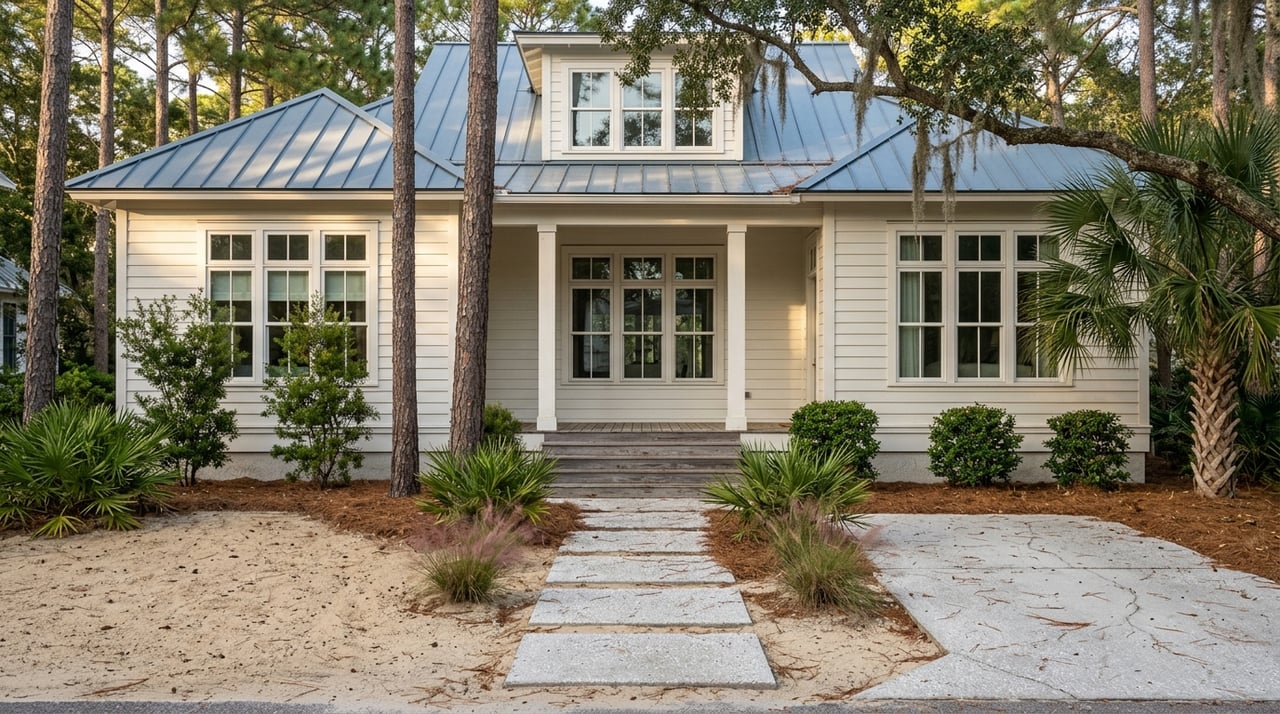
Thinking about a Rosemary Beach property but unsure how an HOA differs from a condo association on 30A? You are not alone. The structure you choose affects maintenance, insurance, dues, and how predictable your costs will be in a coastal market. In a few minutes, you will understand the key differences, what to look for in documents, and how to protect your budget before you write an offer. Let’s dive in.
HOA vs condo in Rosemary Beach
Rosemary Beach includes cottages, townhomes, and condominiums within a deed-restricted, master-planned setting. Many properties also sit within layered associations. Understanding where ownership and maintenance begin and end is your first step.
Ownership model
- Condominiums: You typically own the inside of your unit, plus a percentage interest in the common elements shared with other owners. Florida’s Condominium Act (Chapter 718) defines unit boundaries and common element rights.
- HOAs/Planned communities: You usually own the lot and the structure. The HOA owns or controls the common areas and enforces the community covenants. Florida’s HOA statute (Chapter 720) governs these communities.
Maintenance scope
- Condominiums: The association generally maintains building structure and common areas. You handle interiors and personal property. Balconies or patios may be limited common elements with specific rules.
- HOAs: You often maintain your home’s exterior and improvements on your lot unless the declaration assigns exterior work to the HOA. The HOA typically handles roads, landscaping in common areas, lighting, and shared amenities.
Insurance and deductibles
- Condominiums: The association usually insures the building shell and common elements. You carry a walls-in condo policy (often HO-6) for interior finishes and contents. Windstorm deductibles can be high on the coast.
- HOAs: The association insures common assets. You insure the home and your personal property (often an HO-3 policy). Some documents shift part of storm deductibles to owners on a pro rata basis.
Dues and predictability
- Condo dues are often higher because they include building insurance, exterior maintenance, and sometimes utilities. The tradeoff is a more hands-off experience.
- HOA dues can be lower, but you carry more direct risk for exterior repairs and big-ticket items like roofs and decks. Predictability depends on your home’s condition and the HOA’s budget.
Coastal factors that shape costs on 30A
Rosemary Beach sits on a high-exposure coastline. Salt air, wind, and sun accelerate wear on exterior paint, metal, decking, and HVAC. Flood exposure and hurricane risk influence insurance pricing and deductibles. After storms, associations may face large expenses, and underfunded reserves can lead to special assessments. Budget for higher exterior maintenance and verify how wind and flood are handled in the association’s insurance.
Layered associations in Rosemary Beach
It is common to have multiple association layers, such as a building association plus a master association. Each layer may have separate responsibilities and dues. When evaluating a property, identify every association that applies and add the dues together. Then map responsibilities across all layers so you know who maintains the roof, exterior, balconies, windows, and amenities.
What your dues usually cover
Every set of governing documents is different. Use these general expectations as a starting point and confirm specifics in writing.
Condominium inclusions (typical)
- Building insurance for the structure and common elements
- Exterior maintenance for roofs, façades, stairways, corridors, and elevators
- Common-area utilities and services, landscaping, and amenity upkeep
- Contributions to reserves for future capital repairs
HOA inclusions (typical)
- Common-area landscaping, roads, lighting, signage, and shared amenities
- Limited common elements if specified in the declaration
- Contributions to reserves for common assets
- Individual home exterior maintenance only if the declaration assigns it
Reserves, special assessments, and your risk
Reserves are savings for future major repairs like roofs, paving, or pool systems. Well-funded reserves reduce the chance of big special assessments. If reserves and operating funds fall short, associations may levy special assessments for large projects or storm recovery. Older buildings, underfunded reserves, and extensive amenities increase the likelihood of future assessments. Review reserve studies, funding schedules, and the history of special assessments over the last 5 to 10 years.
Due diligence checklist before you write an offer
Request these documents early so you can verify costs and responsibilities:
- Recorded declaration/CC&Rs, articles, bylaws, and current rules and regulations
- Latest annual budget and most recent financial statements
- Most recent reserve study and the current funding policy
- Association insurance certificates with coverages, limits, and deductibles
- Board and annual meeting minutes for the last 12 to 24 months
- Owner ledger or statement showing current assessments and delinquencies
- Notices of any special assessments or planned capital projects
- Litigation disclosures for pending or recent claims involving the association
- Rental policy, registration steps, and any minimum-stay rules
- Architectural review standards and recent rulings, including hurricane shutter guidance
Smart questions to ask the manager or listing agent
- What exactly does the association maintain versus the owner, including roof, exterior paint, windows, HVAC, decks, and balconies?
- Are any major projects planned in the next 1 to 5 years? How will they be funded?
- Have there been special assessments in the past 5 years? For what amounts and why?
- Are there rental restrictions or required registrations? What is the owner-occupancy versus short-term rental mix, if known?
- Are there active insurance claims or unresolved storm repairs?
- Does a master association apply? If so, what are the combined dues across all layers?
Red flags to watch for
- Low or no reserve funding despite aging roofs, façades, or paving
- Frequent or large special assessments in recent years
- High delinquency rates among owners
- Significant pending litigation involving defects or management disputes
- Insurance coverage gaps, very high wind deductibles, or exclusions relevant to coastal exposure
- Unclear maintenance boundaries between owners and the association
Choosing between a cottage/townhome (HOA) and a condo
- If you want a more hands-off exterior experience, consider a condominium where the association handles building structure and common elements, and dues reflect that coverage.
- If you prefer more control over your home and finishes, a cottage or townhome in an HOA may fit, but confirm your responsibilities for exterior upkeep and storm readiness.
- If short-term rental income matters, review the association’s rental policy. Minimum stays, registration, or caps affect both usage and wear on common areas.
- For any property on 30A, factor in coastal maintenance, wind and flood insurance, and post-storm procedures when you estimate total ownership cost.
Your next steps
Before you commit, confirm who pays for what, how reserves are funded, and whether dues reflect true coastal costs. Review all association documents, compare total dues across any layered associations, and align the property’s rules with your plans for personal use or rentals. If everything looks solid, you can write a confident offer with clearer expectations.
If you want help reviewing documents, modeling ownership costs, or aligning a Rosemary Beach home with your goals, connect with the local team that pairs coastal construction insight with concierge service. Reach out to Anderson Group 30A for guidance or to get your custom 30A market report.
FAQs
What is the legal difference between an HOA and a condo in Florida?
- Condos are governed by Chapter 718 and typically include shared ownership of common elements, while HOAs are governed by Chapter 720 and usually involve owning the lot and home with shared common areas managed by the association.
Do condo dues in Rosemary Beach include building insurance?
- Typically yes for the building shell and common elements; you still need a walls-in HO-6 policy for interior finishes and personal property.
Are short-term rentals allowed in Rosemary Beach associations?
- Many properties are used as vacation rentals, but rules vary by association; check the rental policy for minimum stays, registrations, and any caps before you buy.
How do special assessments work in these associations?
- When operating funds and reserves are not enough to cover major repairs or storm recovery, the board may levy a special assessment allocated per the governing documents.
What documents should I review before making an offer in Rosemary Beach?
- Ask for governing documents, budgets, financials, reserve studies, insurance certificates, meeting minutes, rental policies, and any notices of special assessments or litigation.