If you own, or hope to buy, a cottage in Seaside, the rental strategy matters just as much as the house itself. This is not a market where you simply list a property and wait for summer demand to do the work. In Seaside, design, walkability, guest planning habits, and local operating rules all shape performance. If you want your cottage to serve both your lifestyle and your investment goals, it helps to build the plan from the start. Let’s dive in.
Start With Seaside’s Rental Identity
Seaside is not a typical beach rental market. Official community materials describe it as a walkable, design-led town organized around narrow streets, white-sand footpaths, and a Central Square that sits within about a five-minute walk of residences. The town also presents itself as an all-year destination, which means your rental strategy should look beyond a simple peak-summer approach.
For you as an owner, that changes the product you are offering. Guests are not only booking a place near the water. They are also booking the Seaside experience, which includes architecture, easy navigation, porch culture, and convenient access to town amenities.
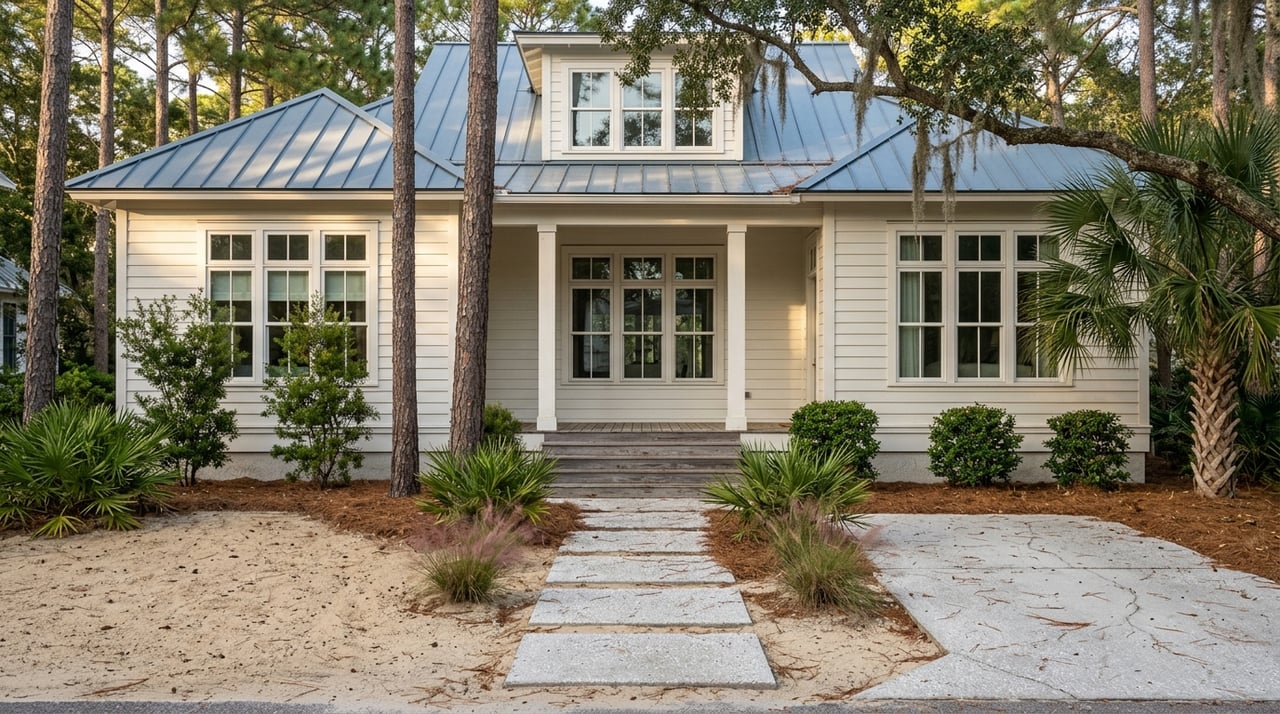
That is why cottage fit matters. A home that feels authentic to Seaside’s character can stand out more naturally than one that leans only on square footage or basic beach proximity.
Build Around Real Demand Patterns
A strong rental strategy starts with how visitors actually plan trips to Walton County. According to the county’s 2025 visitor study, 7 in 10 visitors plan at least three months ahead, and the average planning cycle begins 102 days before travel. More than half use vacation-rental websites to plan, and 61% book through a vacation rental company.
For you, that suggests one clear move: set your pricing and booking calendar early. Waiting until peak season gets close can leave you reacting instead of planning. In a market like Seaside, it is smarter to map rates and minimum stays around school breaks, holidays, and shoulder-season demand well in advance.
Walton County even maintains a school-calendar planning tool for partners, which shows how closely visitor timing is tied to family travel windows. If your cottage strategy includes flexible rate planning, you are more likely to capture early-booking demand instead of chasing it later.
Match Your Cottage to Guest Priorities
The same visitor report gives useful insight into why people come here. Sixty-eight percent visit for a family vacation, and 50% come to relax and unwind. The most important destination attributes include beautiful beaches and clear water, comfort and safety, total relaxation, and a safe environment where children can run free.
That matters because guest demand in Seaside is not just about a stylish house. It is also about how easy the home makes a beach trip feel. Families often value practical features that reduce friction from arrival to departure.
A cottage that supports those needs will usually present more clearly in the market. Features that align well with Seaside’s design and guest expectations may include:
- Inviting front porch space
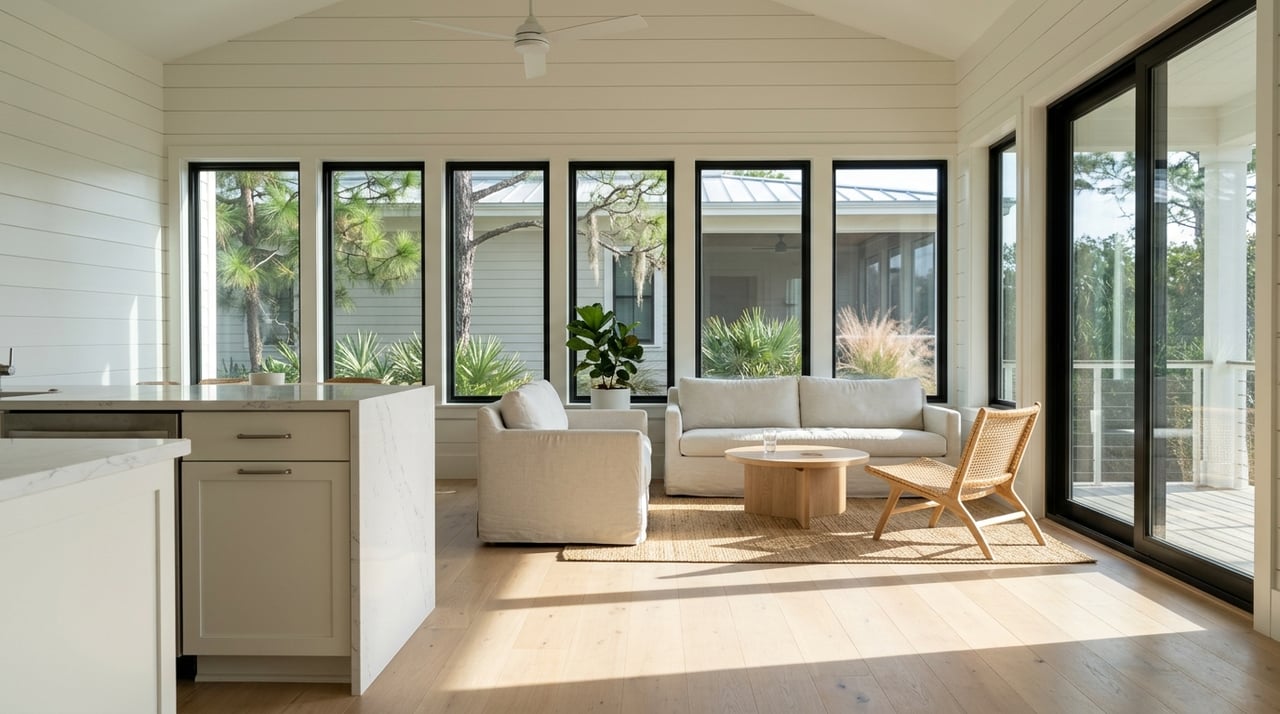
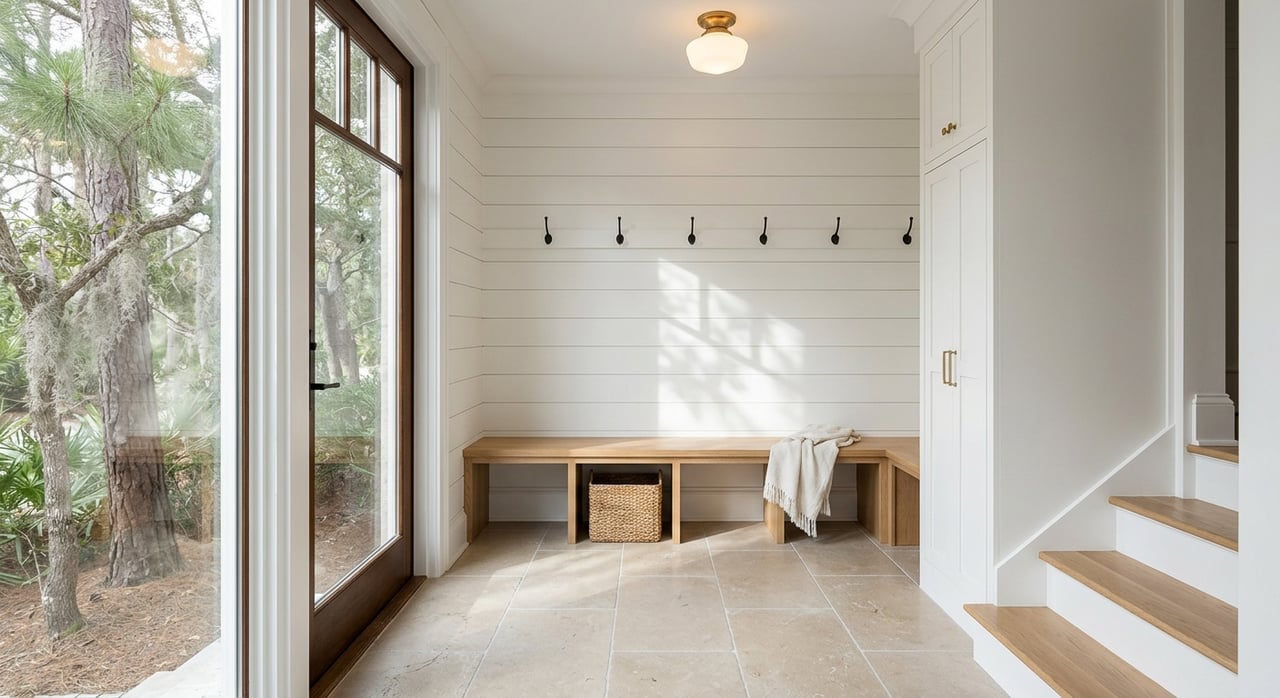
- Durable, easy-care interior finishes
- Outdoor showers for post-beach cleanup
- Flexible sleeping arrangements
- Clear parking and arrival instructions
- Straightforward beach-access guidance
These features fit both the community’s design language and the way many visitors use the property. In other words, comfort and logistics often help support rental success just as much as aesthetics.
Treat Beach Access and Logistics as Amenities
In Seaside, operational details can shape guest satisfaction in a big way. The town’s FAQ notes that vacation-home renters receive access to the pavilion on the street where the home is located, while public beach access is more limited. It also notes that beach chair reservations can sell out during peak times.
That means your listing and guest handbook should not be vague. You should spell out pavilion access, how beach days work, and what guests need to know before arrival. Simple, clear instructions can reduce confusion and improve the overall stay.
Seaside also offers a complimentary shuttle and paid parking. For a rental strategy, that makes transportation guidance part of the guest experience. If you tell guests exactly where to park, how to use the shuttle, and what to expect during busy periods, you make the home feel easier to use.
Decide How You Will Manage the Property
Management is one of the biggest choices in your rental plan. In Seaside, professional management already plays a major role in the local lodging ecosystem. Homeowner’s Collection is identified by Seaside as the town’s only onsite full-service rental agency and its largest vacation-rental company, with more than 190 homes, concierge service, linens, and a personal cottage greet.
For you, that points to an important question: do you want a hands-on ownership experience, or do you want operational support? Owners who plan to balance personal use with rental income often benefit from experienced management for turnovers, guest communication, compliance tasks, and tax administration.
If you are underwriting a purchase, management structure should be part of the numbers from day one. A good strategy is not just about estimating gross revenue. It is also about understanding how service levels, operating costs, and owner usage affect the final result.
Underwrite With Real Inputs
Seaside’s real-estate materials note that many listings include rental performance data such as gross income, occupancy rates, and management costs. That is helpful, but headline numbers should be the starting point, not the whole analysis.
If you are evaluating a cottage as an investment, the most useful inputs are often:
- Actual rental history
- Occupancy trends
- Owner-use assumptions
- Cleaning costs
- Management fees
- Tax treatment of the property
Those details create a more realistic picture of performance. A home with strong gross revenue may still operate differently depending on your personal-use calendar, vendor structure, and compliance setup.
Understand the Florida and Walton County Rules
Before your cottage ever goes live as a rental, make sure the compliance stack is in place. In Florida, rentals are generally taxable. The state sales tax rate is 6%, and Walton County says the south-end district currently collects a 5% tourist development tax on stays of six months or less.
That means short-term rental income in Seaside usually falls under both state and county tax systems. For practical planning, you should confirm filing and remittance requirements with qualified professionals before you begin operating.
Florida also regulates vacation rentals through the Department of Business and Professional Regulation. DBPR says a vacation rental includes certain dwelling types rented more than three times in a calendar year for fewer than 30 consecutive days, or advertised for that use, and those properties should hold a DBPR vacation-rental license. DBPR also states that new public lodging establishments and new owners of existing establishments must obtain a license before operating.
Walton County adds another layer. The county requires annual short-term vacation rental registration, with a $300 annual fee per structure. The county also requires a local responsible party available 24 hours a day, 7 days a week, who can respond within one hour, along with weekly monitoring and guest disclosures covering occupancy, parking, trash, noise, and evacuation rules.
Advertising rules matter too. Walton County says rental advertising must include the county certificate number and tourist development tax registration number. The county also notes that new construction, conversions, or expansions may require neighborhood-compatibility review.
For some owners, homestead status can be another point to review carefully. Walton County notes that certain owner-occupied homestead properties may be exempt, but extended rental use can create homestead-abandonment risk.
Align the House With the Strategy
The best Seaside rental strategies usually begin before the first photo shoot or first guest stay. They start with a clear decision about what kind of property you want to operate and how it should function for both guests and your own goals.
In practical terms, that often means aligning four moving parts at once:
- Property fit: a cottage that feels true to Seaside’s design character
- Revenue planning: rates and minimum stays built around early booking patterns
- Operations: strong guest communication, clean turnovers, and local responsiveness
- Compliance: licensing, registration, tax setup, and ad requirements completed upfront
When those pieces work together, your home is better positioned to perform consistently and deliver a smoother ownership experience.
Think Beyond Peak Season
Because Seaside describes itself as an all-year destination, your strategy should not stop at summer. Walton County’s 2025 tourism data also points to a large and active lodging economy, with 4.586 million visitors, 3.50 million room nights, 48.3% occupancy, an average daily rate of $354.10, and $4.71 billion in economic impact. Accommodations were the largest direct spending category at $1.45 billion.
That scale matters for owners and buyers. It suggests a well-managed Seaside cottage can operate within a broad, established tourism market rather than as a purely niche second-home asset. For you, that supports a year-round planning mindset that includes shoulder periods, holiday demand, and owner-use timing.
A Smart Seaside Plan Is Intentional
A successful Seaside rental strategy is rarely accidental. It is usually the result of choosing the right house, understanding how guests book, preparing for the local rules, and presenting the property in a way that fits the community.
If you are buying, selling, or evaluating a Seaside cottage with rental goals in mind, the details matter. From rental history and management structure to design fit and local compliance, a thoughtful plan can help you protect the experience and improve the economics. If you want tailored guidance for a Seaside property or a custom 30A market report, connect with Anderson Group 30A.
FAQs
What makes a Seaside cottage rental different from other 30A rentals?
- Seaside stands out for its walkable layout, design-focused character, short access to the Central Square and beach, and guest demand tied to the overall Seaside experience, not just beach proximity.
What should owners in Seaside, Florida plan for in rental seasonality?
- Walton County visitor data shows many travelers plan at least three months ahead, with demand often shaped by school breaks, holidays, and shoulder seasons, so early calendar and rate planning is important.
What rental features matter most for a Seaside vacation cottage?
- Features that support easy family travel and beach use, such as front porches, durable finishes, outdoor showers, flexible sleeping arrangements, and clear arrival instructions, tend to fit the market well.
What taxes apply to a short-term rental in Seaside, Walton County?
- Florida’s state sales tax is 6%, and Walton County says the south-end district currently collects a 5% tourist development tax on stays of six months or less.
What registration or license does a Seaside short-term rental need?
- Depending on how the property is rented, owners may need a DBPR vacation-rental license and must also complete Walton County’s annual short-term vacation rental registration requirements.
What does Walton County require for vacation rental operations?
- Walton County requires annual registration, a $300 fee per structure, a local responsible party available 24/7 with one-hour response capability, weekly monitoring, guest rule disclosures, and required certificate and tax numbers in advertising.
Should a Seaside owner use professional rental management?
- Many owners benefit from professional management for guest communication, turnovers, compliance tasks, and tax administration, especially when balancing personal use with rental income.
What should buyers review when underwriting a Seaside rental property?
- Buyers should review actual rental history, occupancy, management costs, cleaning fees, owner-use assumptions, and the property’s tax treatment to build a more realistic performance picture.