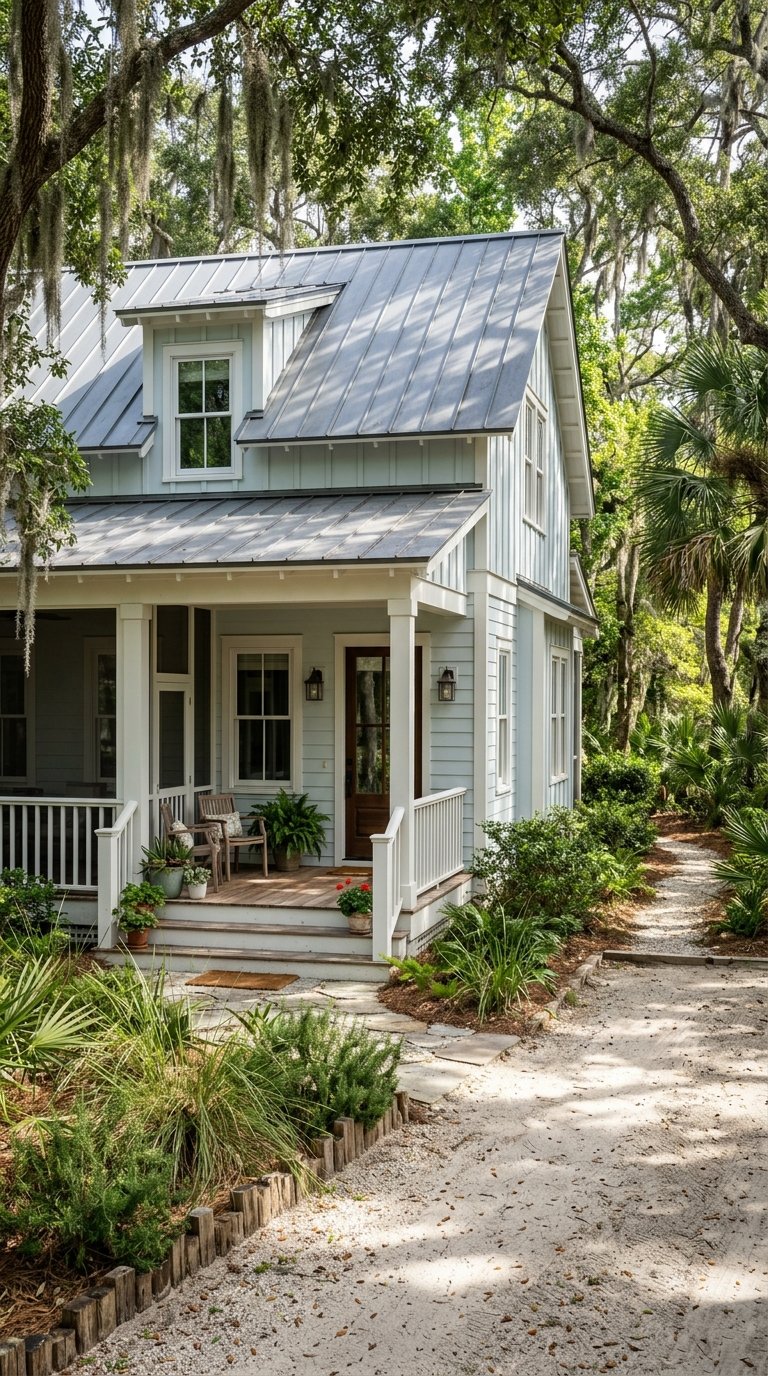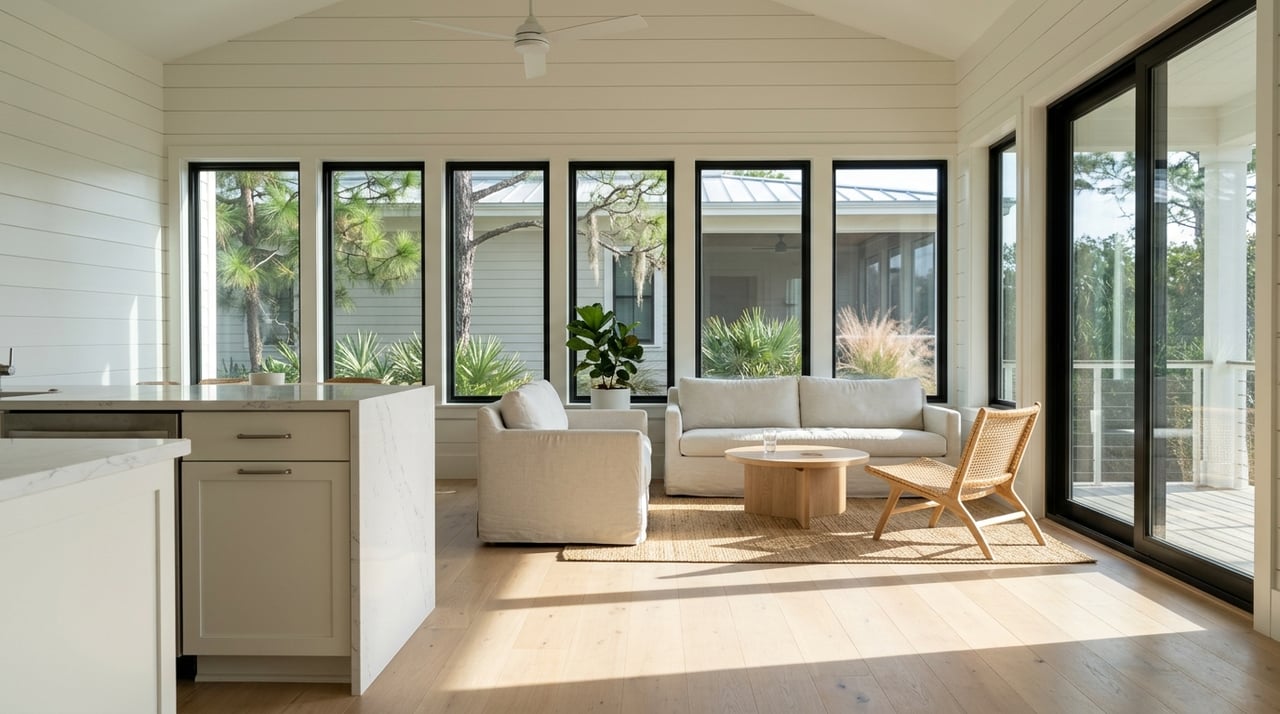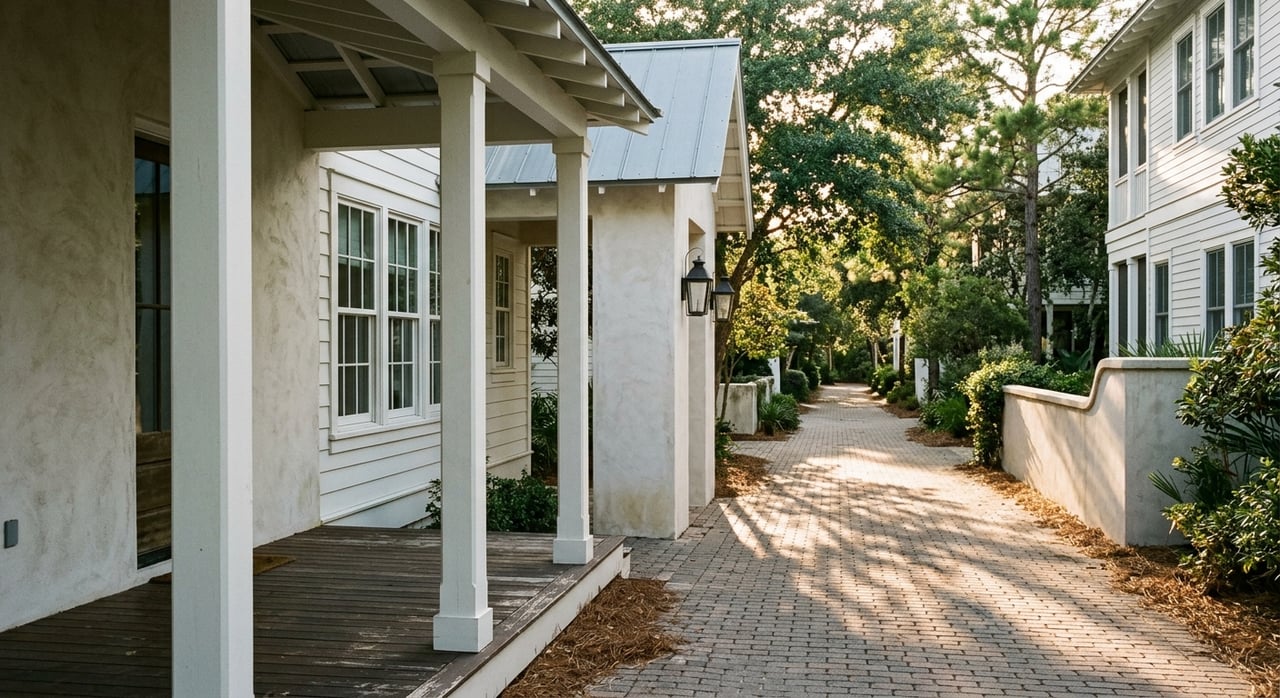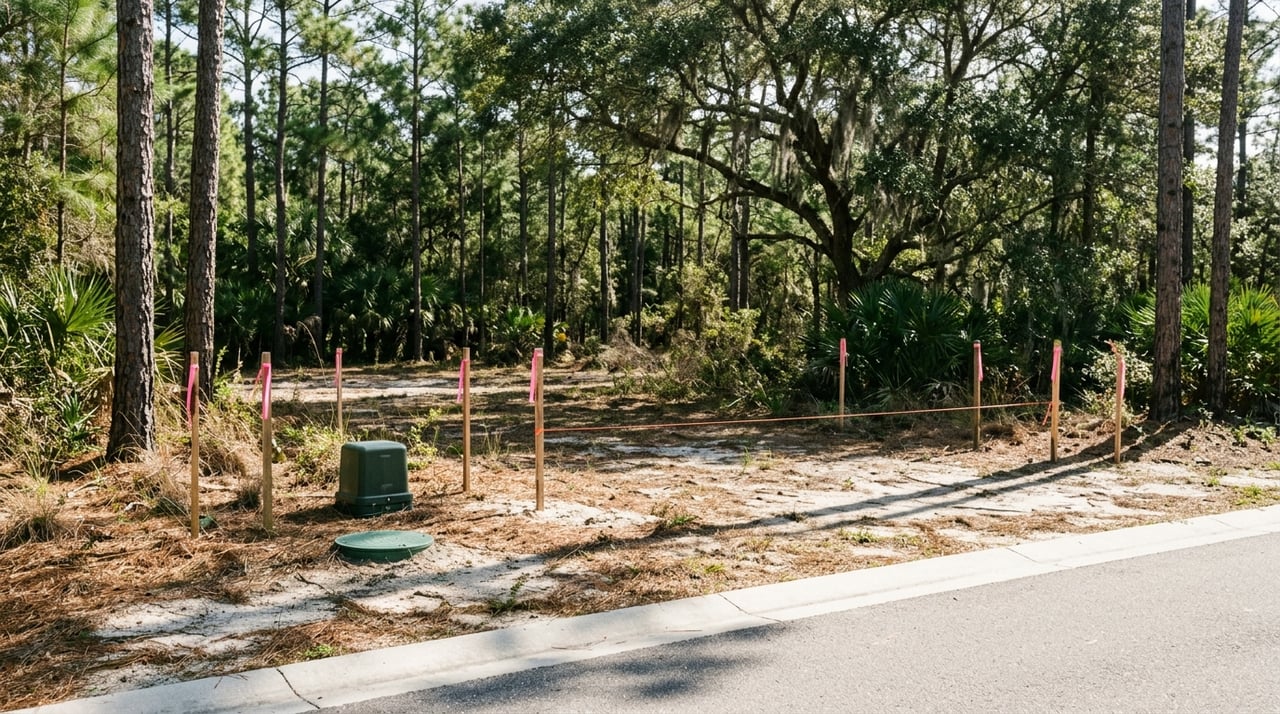
Thinking about building in Watersound instead of buying resale? That can be a smart move if you want more control over design, finishes, and how your home fits the lot. It can also get complicated fast if you do not confirm the right community rules, builder approvals, and county requirements early. This planner will walk you through the key steps from lot search to permit path to final build expectations in Watersound, so you can move forward with more clarity and fewer surprises. Let’s dive in.
Start With the Right Watersound Area
Watersound is not just one neighborhood. It is better understood as a collection of master-planned communities, and that matters when you are buying a lot for a custom build.
For many buyers, the most build-relevant options are Watersound Origins and Watersound Camp Creek. Origins spans 1,400 acres along Lake Powell and is centered around Town Center and community amenities. Camp Creek is presented as a newer South Walton neighborhood near Camp Creek Golf Club, with estate-size lots and all custom homes.
That difference shapes almost everything that comes next. Lot sizes, design standards, builder options, and amenity structures can vary by community and sometimes by sub-neighborhood.
Why neighborhood details matter
In Watersound Origins, published maps break the community into areas such as Arborview Park, Greenway, Lafayette Park, Longleaf Park, Powell Landing East and West, Stillwater A, The Pines, and Villas. That is important because product rules and home options can differ by neighborhood.
Before you fall in love with a homesite, confirm exactly where it sits on the community map. A lot in one section may have a very different build path than a lot just a few streets away.
Confirm Lot Rules Before Design Begins
One of the biggest mistakes buyers make is starting design conversations too early. In Watersound, it is worth verifying the lot details first, because those details can affect your timeline, your budget, and even the kind of house you can build.
Watersound Origins notes that homesites come in various sizes and that product offerings range widely in price. That usually signals meaningful differences in lot dimensions, architecture expectations, and finish levels across the community.
Check these lot details first
Before design starts, confirm:
- The exact homesite and sub-neighborhood
- Whether the lot is tied to a specific plan or builder group
- Current product or architecture rules for that section
- Utility status for water and sewer or septic requirements
- Flood zone and elevation considerations
- Drainage expectations tied to the site plan
- Whether corridor overlay rules apply
This is where local lot advisory matters. A beautiful homesite can still come with limitations that affect cost or design flexibility.
Understand Early Walton County Requirements
In Walton County, custom home permitting starts with paperwork that many buyers do not expect at the beginning. The county checklist shows that you should be prepared for a building application, parcel number, proof of ownership through a recorded deed, a septic permit or water and sewer availability letter, and a planning-approved site plan.
Those items may sound administrative, but they can influence your schedule in a real way. If utility documentation or the site plan is delayed, the rest of the project can slow down even if your house plans are nearly complete.
A Watersound Origins lot agreement also states that the buyer is responsible for impact fees, utility hook-up fees, and similar charges. That means your lot budget and your construction budget should be treated as separate planning tracks.
Watch for Site Constraints Early
In South Walton, lot preparation is not always as simple as clearing trees and staking a pad. County guidance says that if your parcel is south of Choctawhatchee Bay, a building permit or development order must be in place before land clearing or alteration begins.
Protected areas can also affect what you can do on the site. These may include coastal dune lake protection zones, 25-foot wetland buffers, and 50-foot buffers from the mean high water line of the bay and tributaries.
Flood zones can affect design and timing
Walton County notes that FEMA sets flood-zone designations, and if your lot is in a special flood hazard area, the county requires development-order review and elevation compliance. The exact foundation and floor-elevation requirements depend on the flood zone.
In practical terms, that can influence foundation strategy, finished floor height, drainage planning, and permit timing. It is one more reason to verify flood conditions before finalizing plans.
Scenic corridor rules may apply
Some Watersound properties may also fall within the Route 30A Scenic Corridor Overlay. County guidance says properties contiguous to CR 30A, CR 393, CR 395, and portions of CR 83 and CR 283 south of US 98 are within the overlay, and its standards supersede other requirements.
If your lot touches one of those corridors, do not assume the standard neighborhood rules are the only rules that matter. Overlay review can add another layer to the process.
Builder and Architect Approval Comes Early
In Watersound, custom does not mean unrestricted. Design review is a major part of the process, and buyers should expect community-level approval before building begins.
According to the Watersound Origins lot purchase agreement, you must submit detailed plans to the Design Review Board before starting building activity. That submission includes architectural plans prepared by an approved architect, landscaping plans, and a drainage plan that works with the community system.
The same agreement says the seller must pre-approve architects and builders for work in the community. That means you should confirm approved professionals before spending time and money on concept drawings that may not move forward.
Questions to ask before hiring your team
Use these questions early:
- Is this builder approved for this Watersound community?
- Is the architect approved for this type of project?
- Does the lot require a certain product type or plan set?
- What drainage information will the review board expect?
- Are there neighborhood-specific landscape requirements?
Asking those questions upfront can save both time and redesign costs.
Know What HOA Dues Cover
Amenity access is another area where buyers benefit from clear expectations. In Watersound Origins, homeowners are automatically enrolled in Watersound Membership, which provides access to the Village Commons and Lake Powell Dock.
Origins states that these access rights are currently included as an amenity fee within HOA dues. That is different from an upgraded club membership, which is a separate decision.
Club access may be separate
Origins also says homeowners may upgrade to Watersound Club for added access such as Watersound Beach Club, Camp Creek Golf Club, and private club events. The club disclosure states that membership is private and subject to application, acceptance, dues, rules, and change.
That distinction matters when you compare ownership costs. HOA dues, base membership benefits, and any private club upgrade should each be reviewed as separate line items.
Community documents also indicate that roads and parks inside the community are maintained by the association with assessment funds. Another useful note for buyers is that builders operating in Origins are independently owned and operated.
Understand the Permit Path and Timeline
Walton County uses a two-step review path for single-family homes. Planning and Development Services reviews the site plan first for code and comprehensive-plan compliance, and only after that does the project move to the Building Department for structural permitting.
The county says planning review typically takes about 2 to 3 weeks if the submittal is complete and the approved plans are followed. That does not mean your full permit or build process will be finished in that window, but it is a useful baseline for the first review stage.
Permits submitted after December 31, 2023 must be designed and built under the 2023 Florida Building Code. If the project is in a flood-hazard area, development-order approval comes first, and elevation documentation is required during construction.
Beach-adjacent lots may need another review
If a parcel is near the beach or seaward of the Coastal Construction Control Line, the Florida Department of Environmental Protection may also be involved. The state says a CCCL permit is generally required for construction or excavation seaward of that line.
For buyers considering highly coastal lots, this is another checkpoint to review before final design assumptions are locked in.
A Practical Lot-to-Keys Planner
If you want to keep the process organized, follow the build path in this order:
- Identify the exact Watersound community you want to target.
- Confirm the sub-neighborhood and homesite map before making design assumptions.
- Review lot-specific rules including builder ties, plan limitations, and product type.
- Verify utility and site conditions such as sewer or septic, drainage, flood zone, and buffers.
- Check for overlay or coastal review triggers including Scenic Corridor Overlay or CCCL issues.
- Confirm approved architects and builders early.
- Prepare the site plan and supporting documents needed for Walton County review.
- Submit for planning review first, then move into structural permitting.
- Track impact fees, hook-up fees, dues, and club options as separate budget items.
- Begin construction only after community and county approvals are in place.
This sequence may feel detailed, but it usually creates a smoother experience than trying to fix lot or design issues later.
Why Local Build Guidance Matters
A custom home in Watersound can be a rewarding long-term move, especially if you value design control and want a home that fits your lifestyle from day one. The key is understanding that the lot itself often drives the process as much as the floor plan does.
When you verify community rules, site constraints, approved professionals, and county review steps upfront, you put yourself in a stronger position to make smart decisions. That is especially true in a market like Watersound, where neighborhood structure, coastal conditions, and approval layers all matter.
If you are weighing lots, comparing Watersound communities, or planning a custom home strategy along 30A, Anderson Group 30A can help you evaluate the details with a local, build-savvy approach.
FAQs
What should you confirm before buying a lot in Watersound?
- Confirm the exact community, sub-neighborhood map, lot rules, approved builder or plan requirements, utility status, flood zone, drainage considerations, and whether any corridor overlay standards apply.
How does custom home approval work in Watersound Origins?
- Watersound Origins requires buyers to submit architectural, landscaping, and drainage plans to the Design Review Board before building activity starts, and architects and builders must be pre-approved.
What does Walton County require for a custom home permit?
- Walton County’s checklist includes a building application, parcel number, recorded deed, septic permit or water and sewer availability letter, and a planning-approved site plan.
How long does planning review take for a Walton County home build?
- Walton County says the planning review stage for a single-family home typically takes about 2 to 3 weeks when the submittal is complete and approved plans are followed.
What amenities are included with Watersound Origins ownership?
- Watersound Origins says homeowners are automatically enrolled in Watersound Membership for access to the Village Commons and Lake Powell Dock, with those rights currently included as an amenity fee within HOA dues.
Is Watersound Club included with every Watersound Origins home?
- No. Origins states that Watersound Club access is an optional upgrade, subject to application, acceptance, dues, rules, and change.
Can you clear a South Walton lot before getting approvals?
- County guidance says that for parcels south of Choctawhatchee Bay, a building permit or development order must be in place before land clearing or alteration begins.
When do flood-zone rules matter for a Watersound build?
- Flood-zone rules matter before design is finalized because lots in special flood hazard areas require development-order review and elevation compliance, which can affect foundation design and timing.