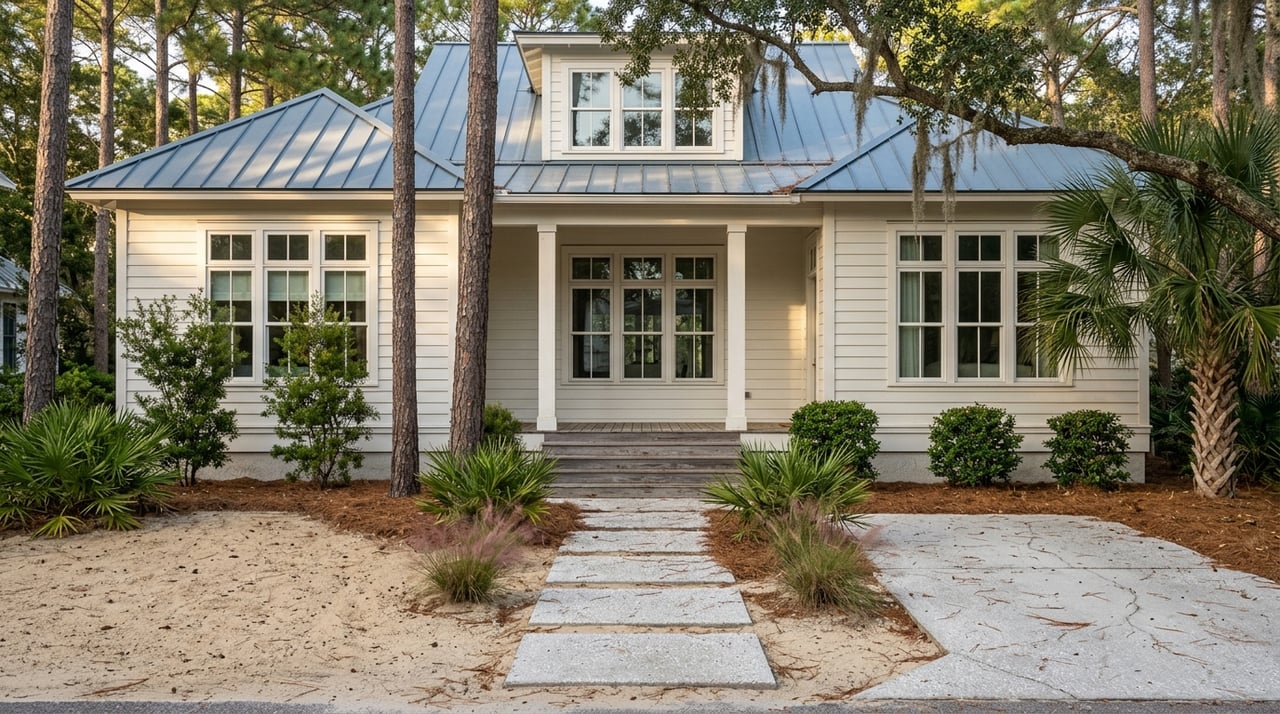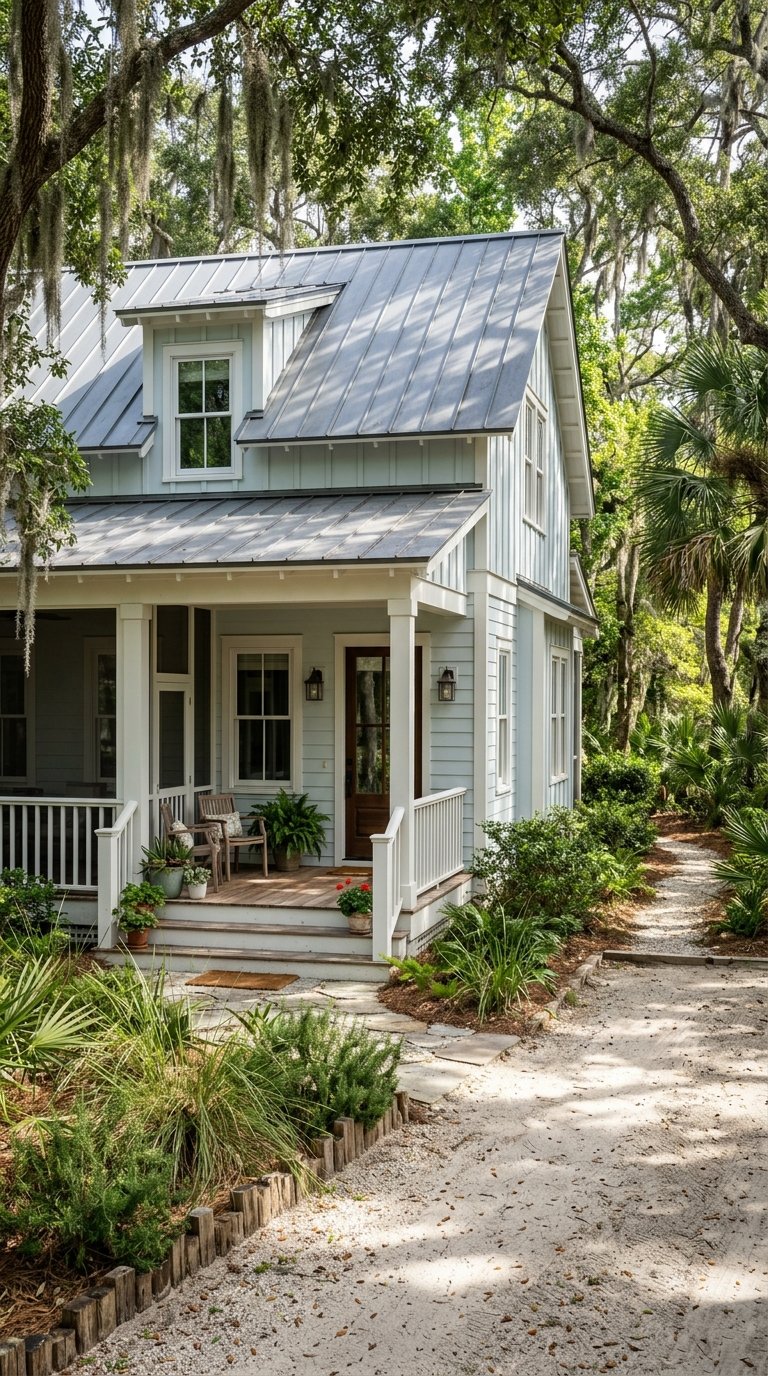
Wondering how to position a classic Seagrove cottage in a market full of newer, higher-priced coastal homes? If you are thinking about selling, you are likely balancing charm, condition, pricing, and timing all at once. The good news is that Seagrove’s identity gives you a real advantage when your home is presented the right way. Here’s how to prepare, price, and market your cottage so buyers see its full value. Let’s dive in.
Why Seagrove cottages stand out
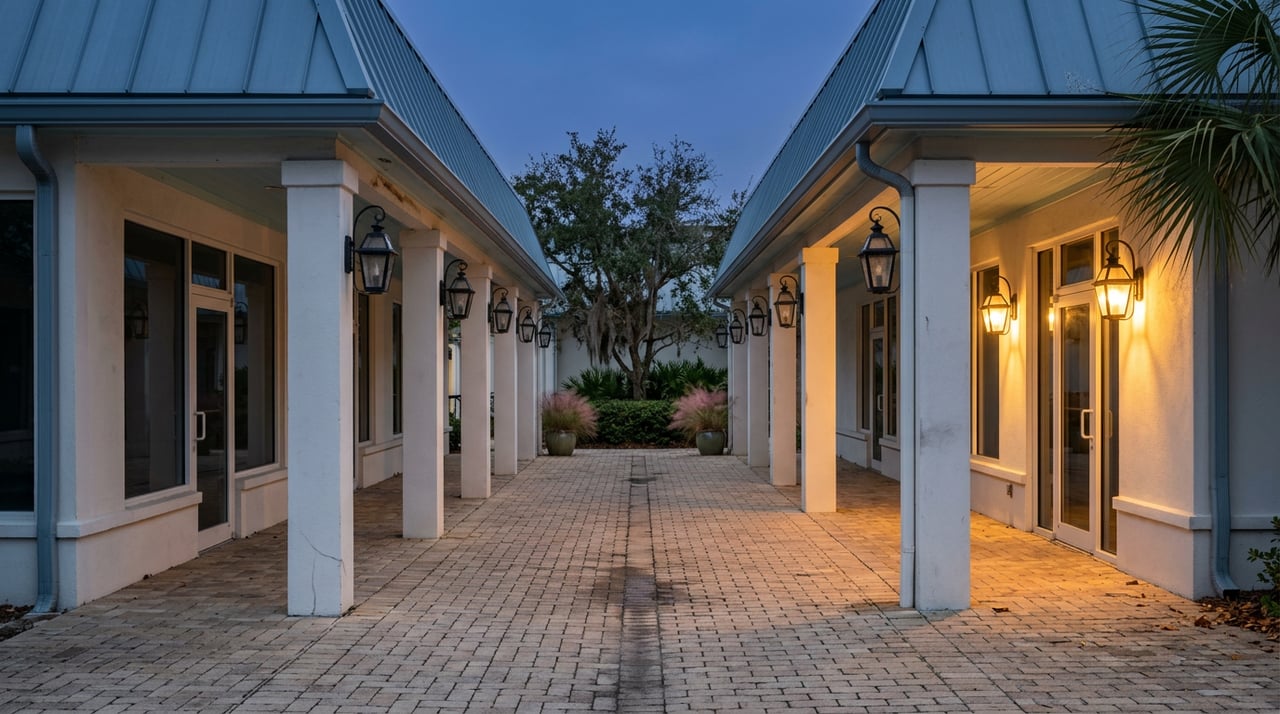
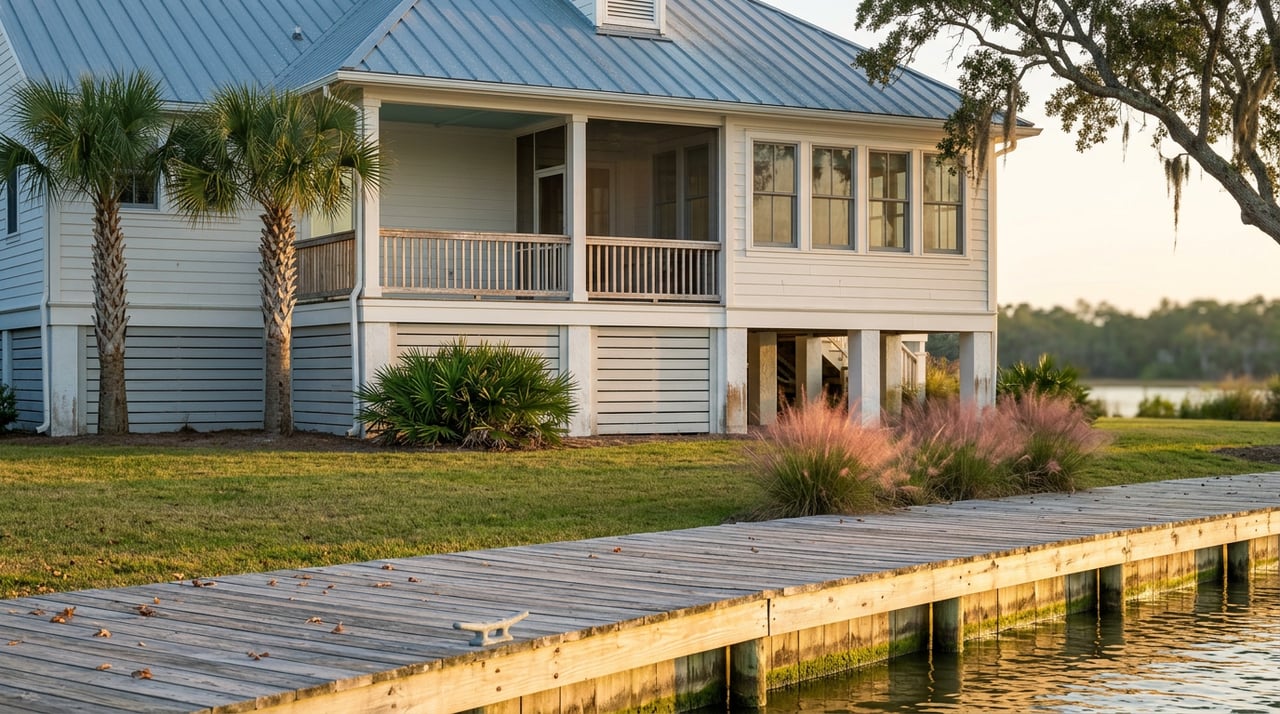
Seagrove is not just another beach market on 30A. It is known as a classic South Walton beach neighborhood with cottages, white sand, an oak canopy, and easy access to the beach, bike trail, dining, and retail.
That matters because buyers are not only shopping for square footage. In Seagrove, many are looking for a specific setting and feel, one that is rooted in walkability, shade, beach access, and authentic coastal character.
The Old Seagrove Neighborhood Plan, adopted in 2025, reinforces that identity. It was created to preserve Old Florida character and the existing tree canopy, and it identifies five pedestrian beach accesses that remain open to the public.
For you as a seller, that means your home’s story should go beyond “near the beach.” A strong listing shows how your property fits into a preserved beach neighborhood with recognizable lifestyle appeal.
Price for Seagrove, not for somewhere else
Pricing is one of the biggest decisions you will make, especially if your cottage is competing for attention against newer luxury homes in nearby areas. Buyers in this market still pay premium prices, but they are paying close attention to condition, presentation, and overall value.
In the 32459 market, Zillow places the average home value at $857,310, with homes pending in around 60 days. Realtor.com reports a median listing price of $1.2 million, while Redfin shows a median sale price of $952,217 over the last three months, with about 85 days on market and a 95.4% sale-to-list ratio.
Those numbers point to an important reality. Homes are selling, but many buyers are negotiating, and some sellers are adjusting expectations. Redfin also reports price drops on 34.3% of homes in 32459.
What buyers compare
A classic Seagrove cottage should not be priced like a newly built property in a different product category. For example, Zillow shows Rosemary Beach’s average home value at $2,725,261, which is roughly 3.18 times the 32459 average.
That price gap helps frame your strategy. Instead of chasing values tied to newer, amenity-heavy homes, your pricing should be anchored to factors like:
- Lot quality
- Beach access
- Renovation quality
- Outdoor living space
- Tree canopy and setting
- How well the home preserves its coastal character
If your cottage is updated, well maintained, and close to established beach access, those details can support a strong price. If the home needs work or the presentation feels dated, overpricing can quickly reduce momentum.
Time your sale with realistic expectations
If you are planning to list in the next 6 to 18 months, broad market forecasts suggest preparation matters more than waiting for a major jump in values. Realtor.com expects 2026 to remain broadly balanced, and Zillow economists forecast U.S. home values to rise only 1.2% in 2026.
For sellers, the takeaway is simple. A better outcome is more likely to come from early prep, smart pricing, and clean presentation than from holding out for a broad market lift.
Get ahead of permits and compliance
With coastal property, buyer confidence often comes down to documentation. Before your home hits the market, it is wise to verify what was done, when it was done, and whether the records are easy to produce.
Walton County says projects submitted after December 31, 2023 must use the 2023 Florida Building Code. The county also states that repairs involving structural, electrical, plumbing, or roofing work, especially in flood zones, require a permit.
That is why permit history should be part of your seller prep from the start. Even if your home shows beautifully, unanswered questions about past work can slow down negotiations.
Seller document checklist
Gather as much of the following as you can before listing:
- Permits for additions or alterations
- Contractor invoices
- Final inspection records
- Roof replacement records
- Window and door upgrade records
- Plumbing and electrical work records
- Drainage improvement records
Having these items organized can make your listing feel more credible and easier to evaluate.
Check flood zone and coastal rules
Walton County maintains FEMA flood-zone guidance, and Florida’s Coastal Construction Control Line program regulates structures and activities that can affect erosion, dunes, upland property, and public access.
Before making last-minute improvements, confirm whether your home sits in a FEMA flood zone or near CCCL jurisdiction. That step can help you avoid delays, unpermitted work, or improvements that raise new questions right before launch.
If your home has been rented
If your Seagrove cottage has operated as a short-term rental, assemble those records too. Walton County requires annual short-term rental registration and prompt notice when a property is sold or removed from rental use.
County guidance also says advertising must match the certificate and include the short-term rental certificate number and TDT registration number. Organized rental records can help reduce buyer uncertainty, especially for second-home or investment-minded shoppers.
Understand Old Seagrove overlay considerations
If your property is inside the Old Seagrove overlay, neighborhood standards may affect how buyers view the home and what future changes might involve. The adopted neighborhood plan functions as an overlay to the Official Zoning Map and is designed to preserve the area’s character.
For sellers, this is less about adding complexity and more about showing awareness. Tree protection, neighborhood scale, and other local standards may matter, even for relatively simple exterior refreshes or site changes.
This is one reason local, detail-oriented preparation can pay off. When a buyer asks questions about prior improvements, site constraints, or future possibilities, clear information helps support confidence.
Stage for Seagrove’s lifestyle
A classic cottage should feel like Seagrove, not like a generic beach house. The goal is to highlight what buyers already come here for: relaxed cottage scale, mature trees, bike access, beach proximity, and easy outdoor living.
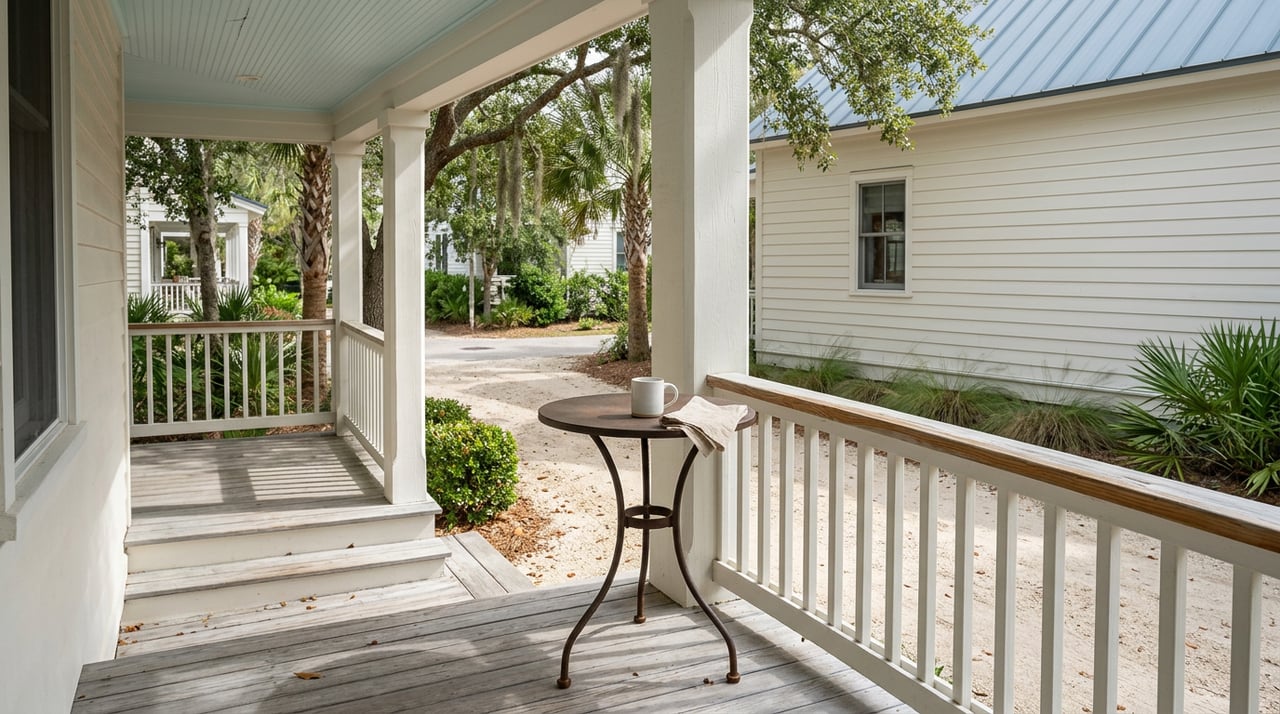
That usually means leaning into warmth, light, and authenticity. Covered porches, shaded seating areas, simple coastal finishes, and uncluttered rooms often work better than overly sleek or heavily contemporary styling.
Features to emphasize
Focus your preparation on the details that support Seagrove’s identity:
- Front porches and screened porches
- Outdoor showers or beach-ready entry points
- Mature oak or magnolia shade
- Walk or bike convenience
- Functional outdoor dining or lounge areas
- Cottage details that still feel true to the home’s character
The Old Seagrove plan places value on authentic Old Florida character and existing tree canopy. Your staging and photography should support that mood, not compete with it.
Make beach access feel real
One of the strongest selling points in Seagrove is access. Buyers want to understand how the home connects to the beach and daily life, not just how far it is in theory.
The neighborhood plan identifies five pedestrian beach accesses that remain open to the public. Walton County also broke ground in 2024 on the Seagrove Regional Beach Access, which will include parking, bathrooms, an ADA-accessible dune walkover, and path connectivity.
If your cottage is near one of the established pedestrian accesses or near the regional beach access, that should be made clear in your listing presentation. Concrete access information can help buyers connect the home to the lifestyle they want.
Use marketing that answers questions fast
In a market where buyers are price-aware, polished marketing matters, but so does clarity. Your listing should not only look good. It should also reduce uncertainty quickly.
That means pairing strong visuals with organized information. Floor plans, renovation dates, permit records, and rental documentation can all help support your asking price.
Listing assets that help a Seagrove cottage
The most useful marketing package often includes:
- Professional photography
- A clear floor plan
- Outdoor living photos
- Beach access context
- Walk or bike route highlights
- Permit and compliance packet
- Renovation timeline
- Rental history, if applicable
This approach aligns with how buyers are behaving in 32459. With a 95.4% sale-to-list ratio and a meaningful share of listings taking price drops, your home needs a story and a paper trail that support value from day one.
Tell the right story
The best Seagrove listings do not try to imitate another neighborhood. They present the home as what it is: a classic cottage in one of South Walton’s most recognizable beach settings.
That story should connect the property to the things buyers can feel and verify. Think beach access, tree canopy, porch living, bikeability, preserved neighborhood character, and documented upkeep.
When your pricing, presentation, and documentation all support the same message, buyers have a clearer reason to act. That is often what separates a well-received listing from one that lingers.
If you are preparing to sell a classic Seagrove cottage, local strategy matters. Anderson Group 30A can help you build a pricing plan, organize the right property details, and create a polished listing story tailored to the 30A buyer.
FAQs
What makes a Seagrove cottage valuable to buyers?
- Buyers are often drawn to Seagrove’s preserved beach-neighborhood character, public beach access, mature tree canopy, bike connectivity, and cottage-scale lifestyle.
How should you price a classic Seagrove cottage?
- Pricing should reflect the home’s lot quality, beach access, condition, renovation quality, outdoor living, and authentic coastal character rather than newer luxury product in other 30A communities.
What records should you gather before listing a Seagrove home?
- You should gather permits, contractor invoices, final inspection records, roof and systems documentation, drainage records, and any short-term rental registration documents if the home has been rented.
Why does beach access matter when selling a home in Seagrove?
- Beach access is one of Seagrove’s clearest value drivers, and buyers often respond more strongly when a listing clearly explains nearby pedestrian access points or proximity to the regional beach access.
What should staging highlight in a Seagrove cottage listing?
- Staging should highlight porches, outdoor living, mature shade, beach-ready function, and the relaxed Old Florida feel that matches Seagrove’s established identity.
What should sellers know about permits in Walton County?
- Walton County says many structural, electrical, plumbing, and roofing repairs require permits, especially in flood zones, so sellers should verify permit history before listing.